Barndominium vs Traditional Home: East Texas Custom Build Guide
Deciding between a barndominium and a traditional house comes down to construction approach, budget, everyday needs, and how a home performs in East Texas weather. This guide breaks down what a barndominium is, how it stacks up against stick-built or masonry homes, and which factors—cost per square foot, durability, energy performance, financing, and resale—matter most for your choice. Some buyers want wide, flexible living areas and lower initial build costs; others prefer classic finishes and neighborhood fit. Knowing the trade-offs helps you pick the right path for your family, retirement plan, or lifestyle. Below you’ll find clear comparisons of materials (metal vs. wood framing), typical East Texas cost ranges, pros and cons for different buyers, and practical recommendations that account for climate and energy use. At the end we explain how Ross Homes & Drafting, LLC — an East Texas custom-home resource — can help you get estimates and move from idea to plan. Read on to compare features, costs, construction details, and the client journey so you can choose the custom-home option that fits your life in East Texas.
What Is a Barndominium and How Does It Compare to a Traditional House?
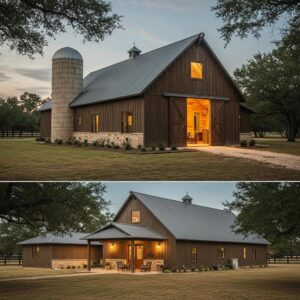
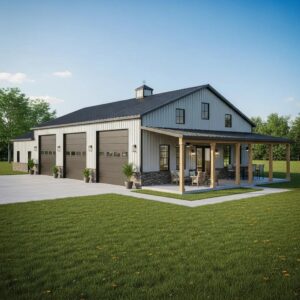
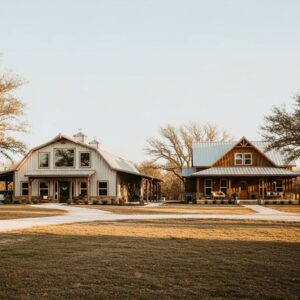
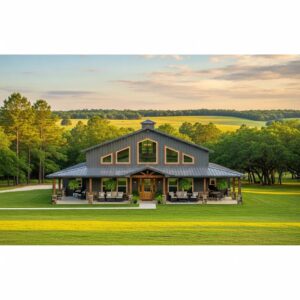
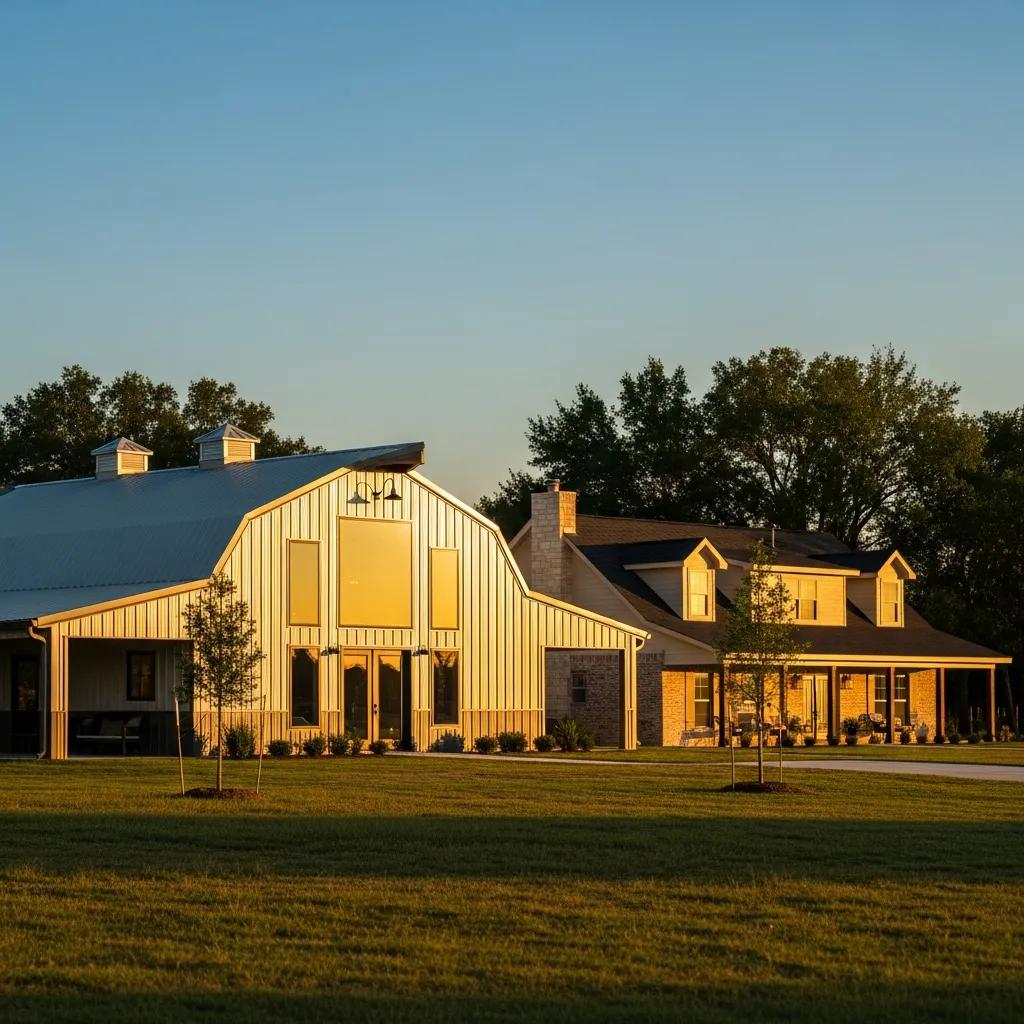
A barndominium blends a metal or post-frame shell with finished living space — think open floor plans, built-in shop or garage areas, and a steel-based exterior that gets you weather-tight quickly while keeping interior layouts flexible. What makes them appealing is the metal framing and insulated panels that simplify the building envelope and cut framing labor, producing wide, column-free interiors ideal for multi-use rooms. Traditional houses, by contrast, usually rely on wood stick framing, masonry, or mixed systems with more defined rooms and neighborhood-friendly exteriors. In short: barndominiums lean toward utility and adaptability; traditional homes lean toward architectural variety and resale predictability. Knowing that difference helps you decide on materials, insulation strategy, and ongoing maintenance. The next sections list common barndominium materials and contrast them with conventional house construction so you can picture both approaches.
What Are the Key Features and Construction Materials of Barndominiums?
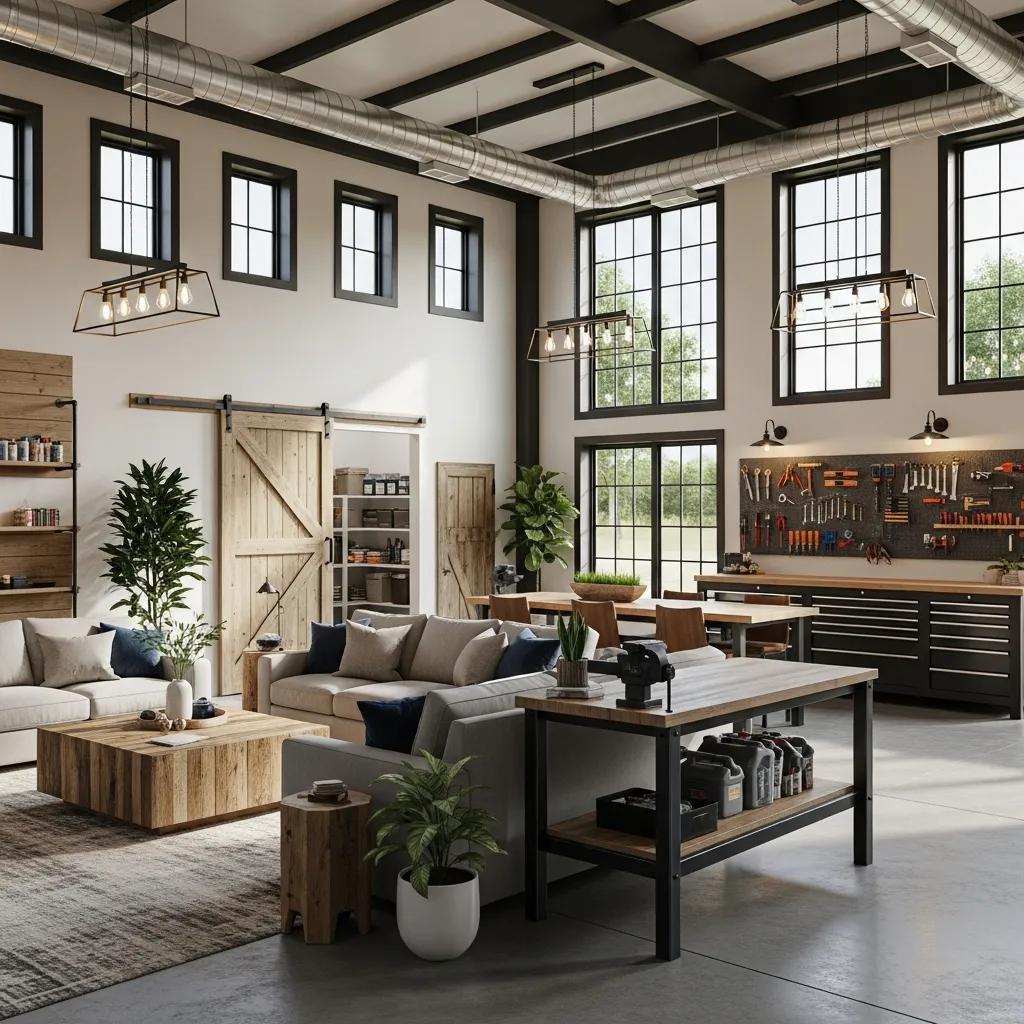
Barndominiums typically use steel or post-frame structures with metal roofing and siding, while interiors are finished with standard drywall, framed partitions, and integrated shop space if desired. That mix creates a tough, low-maintenance shell and gives you lots of flexibility inside. The main practical advantage is quicker enclosure and fewer load-bearing limits, so you can have large great rooms, lofts, or workshop bays without complex framing. Common add-ons include attached garages or workshops, lofts or mezzanines, covered porches for shade, and simpler rooflines that keep construction straightforward. Designers often balance the industrial shell with residential-grade insulation, interior framing for systems, and exterior trim to give a warmer, home-like look. Those choices lead naturally into how conventional houses differ in materials and layout.
How Do Traditional Houses Differ in Design and Structure?
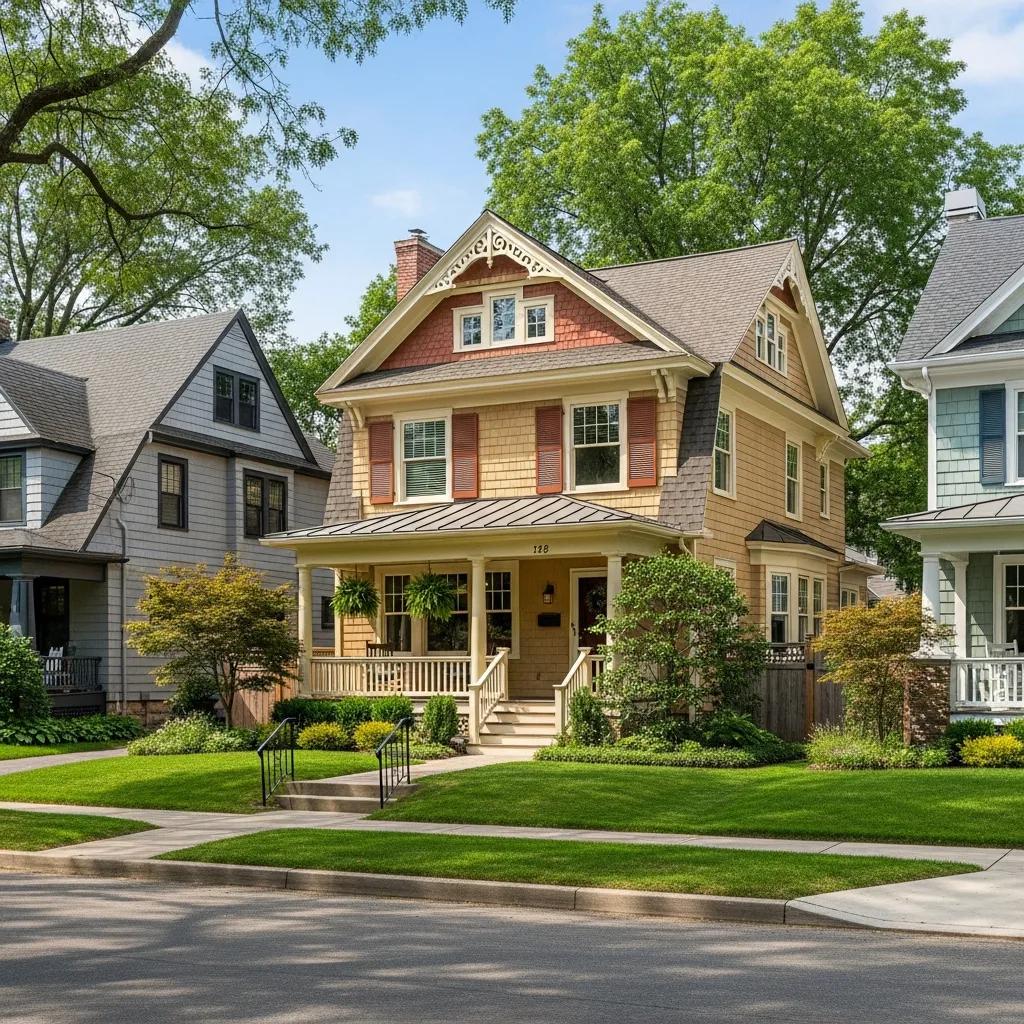
Traditional houses usually use wood stick framing, masonry, or a combination of systems and emphasize defined rooms, recognizable architectural styles, and exterior treatments that fit neighborhoods. The building process follows phased trades — framing, mechanicals, insulation, and finishes — which allows layered customization and established curb appeal but often means higher labor and per-square-foot costs than a simple metal shell. Interiors tend to be compartmentalized into bedrooms, living rooms, and separate kitchens — a layout many families and resale buyers expect. Because of neighborhood norms and permitting familiarity, traditional builds can be easier to place in subdivisions, though they often need more routine exterior maintenance (siding, paint, trim) than metal-clad barndominiums. With those structural and design differences in mind, the next section compares costs for East Texas projects.
How Do Barndominium and Traditional House Costs Compare in East Texas?
Costs vary across initial construction, long-term maintenance, insurance, and resale, and East Texas factors like local labor rates, materials availability, and permitting rules shape the final price. Material and labor intensity drive most differences: metal shells cut framing labor but often call for higher-performance insulation and finish trades, while traditional houses carry higher framing and finish costs yet usually match buyer expectations more closely at resale. To make this practical, the table below gives typical per-square-foot ranges and the main cost drivers for East Texas builds so you can budget and request estimates with confidence.
How to read the cost comparison: the table lists common cost elements—initial build per square foot, expected maintenance cadence, insurance trends, and resale notes—so you can compare realistic scenarios for a barndominium versus a traditional custom home in East Texas.
| Home Type | Initial Cost per sq ft (typical) | Typical Maintenance | Resale Consideration |
|---|---|---|---|
| Barndominium | $70–$150 | Lower structural upkeep; roofing and panel maintenance every 15–25 years | Good for rural buyers; variable in suburban resale markets |
| Traditional House | $100–$250 | Regular exterior maintenance (siding/paint), interior updates | Stronger resale in established neighborhoods |
| High-End Custom (either type) | $150–$300+ | Ongoing high-end finish maintenance | Premium finishes increase resale in niche markets |
This table shows that barndominiums often offer lower entry costs per square foot but require thoughtful finish choices to support resale, while traditional homes usually need a bigger upfront investment with more predictable market acceptance. For many East Texas builds, Ross Homes & Drafting, LLC can produce custom estimates that factor local labor, permitting, and site conditions to refine these ranges and help you plan financing.
What Are the Initial Construction and Long-Term Maintenance Costs?
Initial construction costs depend on project scope, finish level, and utility work. Barndominiums frequently have lower base-structure costs because of steel framing, but finish costs for residential-grade interiors can be similar to traditional homes. Long-term maintenance hinges on material choices and climate resilience. Metal resists rot and pests but needs corrosion protection and careful roof/wall detailing; wood-framed homes demand moisture control and pest mitigation but are often simpler to repair. Example scenarios: a budget barndominium with basic finishes sits near the low end of the range, a mid-range traditional home falls in the middle, and a high-end custom house or barndo with luxury systems reaches the top bands. Thinking through these lifecycle costs helps with financing and insurance planning.
How Do Financing Options Differ for Barndominiums and Traditional Homes?
Financing a barndominium may use construction-to-permanent loans, FHA/VA products if the finished home meets criteria, or specialty lenders familiar with metal-frame homes; traditional houses typically qualify more easily for a wider selection of standard mortgages. Lenders look at construction method, appraisal comparables, and how “finished” the living areas appear — in short, perceived marketability affects underwriting. Common paths include conversion construction loans, owner-builder financing when applicable, or portfolio lenders for unique projects. Gather clear plans and realistic cost breakdowns to improve your chances with underwriters. If you want help navigating lenders, Ross Homes & Drafting, LLC can connect you with builders and local lenders to clarify options and support prequalification.
What Are the Pros and Cons of Choosing a Barndominium Versus a Traditional Home?
Weighing pros and cons means matching lifestyle priorities — open multifunctional spaces, an attached shop, or neighborhood conformity — against trade-offs in aesthetics, zoning, and resale. The right pick depends on what you value: flexibility and utility, or curb appeal and conventional floor plans. Below are the main advantages and limitations so you can quickly see which factors matter most for your East Texas goals.
Below are concise lists to help you compare benefits and drawbacks side by side.
- Barndominium Pros: Wide, adaptable interiors that support workshops and multi-use rooms; generally lower structural costs per square foot; durable metal shells that resist rot and many pests.
- Barndominium Cons: Possible zoning or insurance complications in some areas; industrial exterior look that may limit suburban resale; requires careful insulation detailing for year-round comfort.
- Traditional House Pros: Easier lender acceptance and stronger resale in established neighborhoods; wide range of architectural styles; predictable material and finish expectations.
- Traditional House Cons: Higher framing and finish costs; more compartmentalized layouts that can be costly to reconfigure later; ongoing exterior upkeep (siding, paint, trim).
After reviewing these lists, think about common use cases below to match features to family needs or retirement plans.
What Lifestyle Benefits Do Barndominiums Offer for Families and Retirees?
Barndominiums provide open living areas, built-in space for hobbies or workshops, and straightforward single-floor layouts that suit both active families and retirees who want low-stairs living. Large-span metal framing makes reconfiguring interiors easier, which supports universal-design options like wider doors and ground-level primary suites. For example, a retiring couple might prioritize a single-floor primary suite plus an attached shop for hobbies, while a young family could turn a loft into a play area and use a spacious garage as a mudroom. Thoughtful details — thermal breaks, covered porches, and zoned HVAC — translate those structural benefits into comfortable, energy-smart homes for East Texas. If that matches your goals, Ross Homes & Drafting, LLC can review floor plans and local code implications with you.
What Are the Limitations and Challenges of Each Home Type?
Challenges tend to be regulatory, perceptual, and maintenance-related. Barndominiums can run into stricter code interpretations or higher insurance rates if classified outside typical residential standards; traditional homes often need more routine upkeep and can be harder to adapt without major remodels. These issues stem from local rules, neighborhood covenants, and appraiser expectations. To reduce risk, engage permitting officials early, choose exterior finishes that fit the neighborhood when needed, and design for moisture and pest resistance. Key decision checkpoints include lot context, insurer requirements, and your expected resale timeline — addressing these early protects your investment and eases the build process.
How Does Metal Frame Construction Compare to Wood Frame in Custom Homes?
Metal and wood framing behave differently in structure, durability, and maintenance — factors that matter in East Texas’s warm, humid climate. Steel resists rot and termites but can corrode without proper treatments; wood offers familiar construction techniques and some thermal advantages but needs strong moisture and pest controls. The practical differences come down to material behavior and detailing. Below is a technical comparison to summarize fire resistance, pest vulnerability, maintenance, and lifespan so you can weigh each option for a custom build.
Below the table we summarize why these attributes matter when choosing framing for East Texas conditions.
| Framing Type | Fire Resistance | Pest/Rot Vulnerability | Typical Maintenance |
|---|---|---|---|
| Metal Frame | High (non-combustible) | Low for pests; corrosion risk if unprotected | Inspect coatings, fasteners, and sealants periodically |
| Wood Frame | Moderate (treated options available) | Higher (termite/rot risk) | Regular inspections, moisture control, pest treatment |
| Hybrid Approaches | Variable | Mitigates weaknesses of both systems | Targeted inspections and maintenance plans |
What Are the Durability and Maintenance Differences Between Metal and Wood Frames?
Metal frames generally stand up better to rot and termite damage but need corrosion protection such as galvanizing, coatings, or stainless fasteners in humid regions; maintenance focuses on sealant renewal and checking fasteners. Wood frames require vigilant moisture management, termite prevention, and periodic exterior work like siding and paint to stay durable. The real lifespan depends on treatment and detailing — untreated wood in harsh conditions will degrade faster, while properly protected steel can last decades with limited structural repairs. Insurance considerations vary: some carriers favor non-combustible framing for lower fire risk, while others base premiums on finish quality and market comps. Knowing these trade-offs helps you pick materials that balance longevity, maintenance cost, and local climate demands.How Do These Materials Perform in East Texas Climate Conditions?
East Texas heat, humidity, and storms shape recommended detailing: metal framing resists pests and rot but needs careful thermal-bridge control and corrosion-resistant fasteners; wood framing requires strong moisture barriers, good ventilation, and pest-resistant treatments. Design details — adequate overhangs, continuous exterior insulation, ventilation, and durable coatings — reduce moisture intrusion and limit heat transfer for both systems. For storm resilience, engineering connections and anchoring are often more important than the framing material itself. Recommended practices include corrosion-resistant fasteners on metal builds, pressure-treated or naturally durable wood species for exposed elements, and mechanical ventilation to control indoor humidity. These climate-minded choices also support the energy-efficiency strategies below.
What Should You Know About Energy Efficiency and Sustainability in Barndominiums and Traditional Houses?
Energy performance depends on the building envelope, insulation type and R-value, renewable systems, and controls. Both barndominiums and traditional homes can reach high efficiency if the right systems are specified for East Texas. The core principle is continuous thermal control: limit heat gain with shading and insulation, manage moisture with proper vapor strategies, and use HVAC zoning and smart controls to cut run time. The table below compares common insulation and renewable options with R-values and practical cost/benefit notes to guide new builds and retrofits.
The insulation and sustainability table helps owners choose envelope and system approaches that balance upfront cost with lifecycle energy savings.
| System/Component | Typical R-value or Output | Cost/Benefit Notes |
|---|---|---|
| Spray Foam Insulation | R-3.5–R-6 per inch | Higher upfront cost, excellent air sealing and moisture control |
| Fiberglass Batt | R-13–R-19 (wall) | Lower cost, requires careful installation to avoid thermal bridging |
| Continuous Exterior Insulation | Varies by product | Reduces thermal bridging, improves whole-envelope performance |
| Solar PV Integration | kW output variable | Reduces operating costs; payback depends on system size and usage |
Which Home Type Offers Better Insulation and Eco-Friendly Features?
Neither style automatically wins on insulation — performance comes from chosen envelope systems. Metal shells need continuous insulation and thermal breaks to prevent thermal bridging; wood-framed walls do well with cavity insulation plus exterior continuous insulation. The key is sealing gaps and limiting thermal bridges, and using appropriate R-values for East Texas. Spray foam or rigid exterior insulation paired with high-performance windows yields strong results in this climate. These measures cut HVAC runtime and improve comfort, and practical retrofits often focus on adding continuous exterior insulation or improving attic ventilation. Thoughtful detailing lets both metal and wood homes meet modern efficiency targets.
How Can Smart Home Technology Enhance Energy Savings?
Smart thermostats, zoning controls, occupancy sensors, and automated shading reduce energy use by matching system output to actual occupancy and conditions. The benefit is targeted control that cuts wasted runtime and improves comfort by room. Typical savings come from optimized setpoints, adaptive schedules, and integration with demand-response programs; sensors also flag humidity or open-window events that hurt efficiency. For example, a smart thermostat with zoning dampers in a large open-plan barndominium prevents overcooling unused areas and trims HVAC cycles. Whether building new or renovating, plan conduit and compatible HVAC systems up front so you can add smart controls easily later. Ross Homes & Drafting, LLC can recommend practical smart-home packages that align with your energy goals.
How Can Ross Homes & Drafting, LLC Help You Decide Between a Barndominium and a Traditional House?
Ross Homes & Drafting, LLC is a local East Texas resource that guides prospective custom-home clients through design choices, material selection, and local cost drivers. We turn project goals into realistic plans and connect homeowners with builders and lenders. Our approach is consultative: we review zoning requirements, recommend construction approaches that match your lifestyle, and coordinate preliminary estimates that reflect East Texas labor and permitting realities. Core services include design and drafting, permit navigation, and coordinating build-management resources to align choices with your budget and timeline. If you’re ready to move from comparison to decision, Ross Homes can arrange an initial consultation and produce a customized estimate so you can choose the right path for your East Texas lifestyle.
What Custom Home Building Services Are Available in East Texas?
Ross Homes & Drafting, LLC highlights services that cover conceptual design through construction coordination: plan design and drafting, permitting and code navigation, and turnkey construction management tailored to East Texas conditions. These services reduce friction by delivering clear plan sets that streamline permitting and clarify scopes for builders and lenders, cutting surprises during construction. Practical benefits include locally informed plans, accurate dimensions for cost estimating, and help matching finishes and systems to energy and durability goals discussed above. If you value clear documentation and coordinated workflows that reflect East Texas realities, Ross Homes’ services are designed to get you from idea to build efficiently.
How Does Ross Homes Support Clients Through Design, Construction, and Financing?
Ross Homes & Drafting, LLC works with clients in phases: discovery and design collaboration, permit-ready drafting with cost-aligned specifications, then coordination with builders and lenders to ease financing and construction. Our role is project orchestration: by consolidating design, drafting, and local code navigation, we give clients clearer cost expectations and documented scopes lenders and contractors can use for bids and underwriting. Next steps are simple: request a consultation to review your site, preferred finishes, and budget so Ross Homes can prepare an initial estimate and outline permitting paths. This consultative workflow helps you convert the comparisons in this article into a realistic, financeable build plan.
Frequently Asked Questions
What are the zoning considerations for building a barndominium in East Texas?
Zoning for barndominiums varies by county and city. Some jurisdictions have rules about metal-clad structures or require adherence to standard residential codes; others are more flexible. Always check local zoning ordinances and talk with permitting officials before you build. Working with a builder or designer who knows local rules will speed the process and reduce surprises at permit time.
How does the resale value of a barndominium compare to a traditional house?
Resale value for barndominiums tends to be more variable than for traditional homes. They appeal strongly to buyers seeking unique or rural properties, but may have narrower appeal in typical suburban markets. Location, design quality, and local buyer preferences are the biggest drivers of resale. In established neighborhoods, traditional homes usually hold value more predictably because they match buyer expectations.
What financing challenges might arise when building a barndominium?
Some lenders are cautious about non‑traditional structures due to appraisal comparables and perceived risks. You may need construction-to-permanent loans, specialized lenders, or clearer documentation showing finished-living standards. Prepare detailed plans and realistic cost estimates, and consider working with lenders experienced in financing barndominiums to improve your chances of favorable terms.
What maintenance considerations should homeowners keep in mind for barndominiums?
Barndominiums often require less routine maintenance because of durable metal exteriors, but you still need to watch for corrosion and maintain protective coatings, especially in humid areas. Regular roof and panel inspections help catch issues early. Attention to these tasks preserves value and keeps your home performing well over time.
Can barndominiums be customized to fit different lifestyles?
Absolutely. Barndominiums are highly adaptable: open floor plans, integrated workshops, lofts, and flexible room layouts let you design spaces for family life, hobbies, or remote work. Collaborating with a designer or Ross Homes ensures the layout suits your current needs and can adapt as life changes.
What are the energy efficiency advantages of barndominiums?
When detailed properly, barndominiums can be very energy efficient. Continuous insulation and thermal breaks reduce thermal bridging, and pairing that with efficient windows, zoned HVAC, smart controls, and optional solar PV delivers strong performance. The key is to plan the envelope and systems together during design so the home is comfortable and affordable to operate.