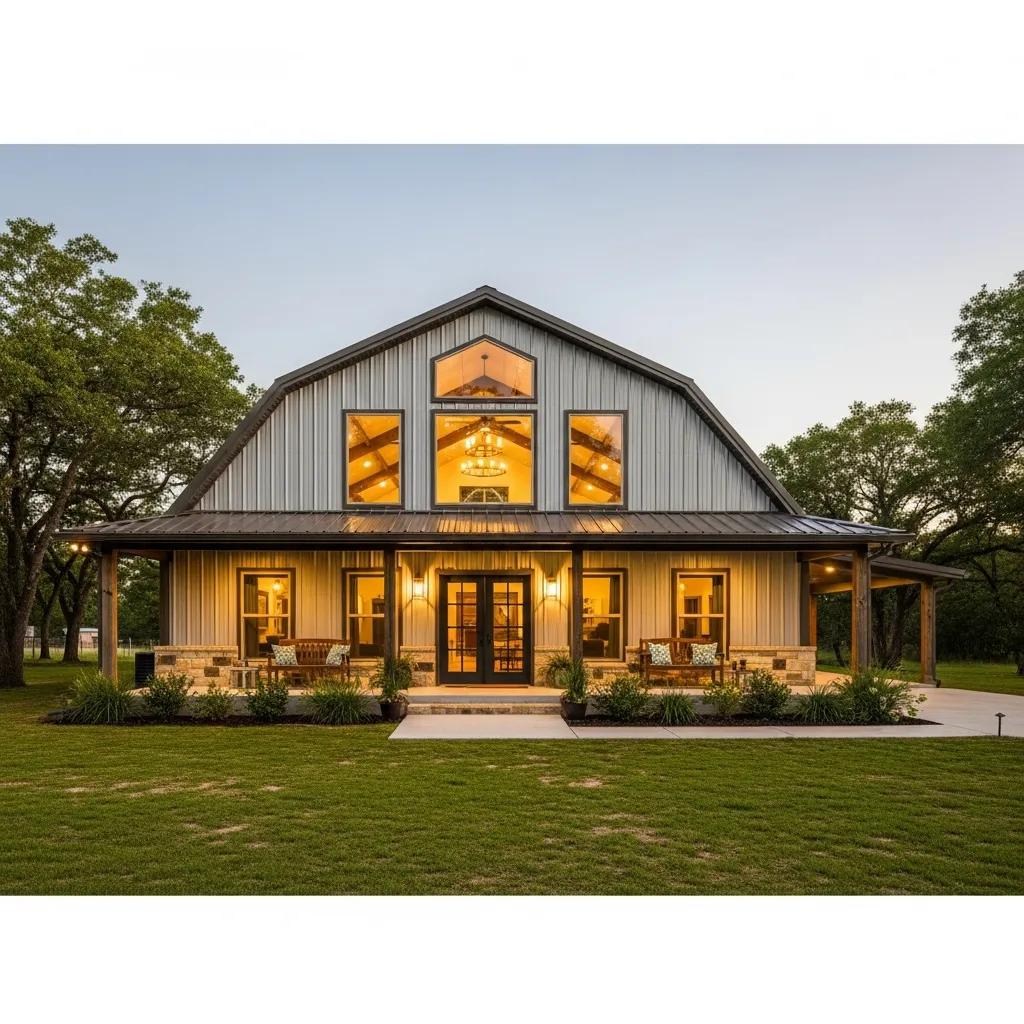
Barndominium Floor Plans: Custom, Luxury & Open-Concept Designs
Barndominiums pair the strength of metal or post‑frame shells with the comfort and finish of modern homes. They give you long, open spans you can shape to fit family life, a retirement plan, or a rural business. This guide breaks down floor plans, open‑concept layouts, luxury upgrades, and practical shop/garage integrations so you can pick—or customize—a plan that fits your lifestyle and climate. If you’re building in East Texas or Louisiana, we include region‑specific advice on durability, energy efficiency, and site considerations to help make your plan resilient. Read on for layout examples, checklists, and comparison tables that simplify choices around shop sizes, luxury features, and insulation strategies for humid, warm, coastal‑adjacent climates. By the end, you’ll be ready to balance cost, function, and style—and know when to bring a local drafter on board to turn an idea into buildable blueprints.
What Is a Barndominium and Why Choose Custom Floor Plans?
A barndominium is a home built on a barn‑style structure—usually metal or timber framing—with a finished residential interior. That hybrid gives you a durable shell, flexible interior planning, faster build times, and cost‑effective long spans. Custom floor plans matter because they let you tune that simple shell to real needs: bedroom counts, workshop placement, energy strategy, and local code requirements all affect daily comfort and long‑term value. A tailored plan also optimizes ventilation, daylighting, and storm resilience for East Texas and Louisiana conditions, reducing the chance of costly retrofits later. Below are the main advantages of choosing a custom barndominium plan.
Barndominiums show their versatility in many uses beyond a standard home—something the following example highlights.
Barndominium Residential Design & Features
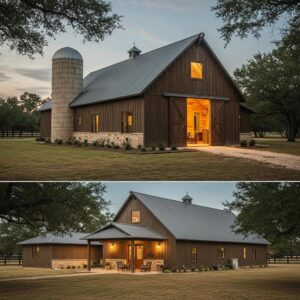
The Loechlers’ second barn was transformed into a barndominium that now serves as their home, a bridal suite, and a caterer‑ready kitchen, all framed by wide country views and Missouri sunsets.
A Business Plan for The Three Barn Farm, 2018
- Durability and value: a rugged shell with lower long‑span framing costs.
- Layout flexibility: wide clear spans let you add lofts, workshops, or open living without heavy rework.
- Faster build: simpler framing and pre‑engineered components shorten construction time.
Custom plans turn those advantages into usable spaces by aligning room adjacencies, roof overhangs, and insulation to your site and routine. Knowing how the barn shell interfaces with modern HVAC and plumbing leads us into blending barn character with everyday comfort.
How Do Barndominiums Combine Barn Character with Modern Living?
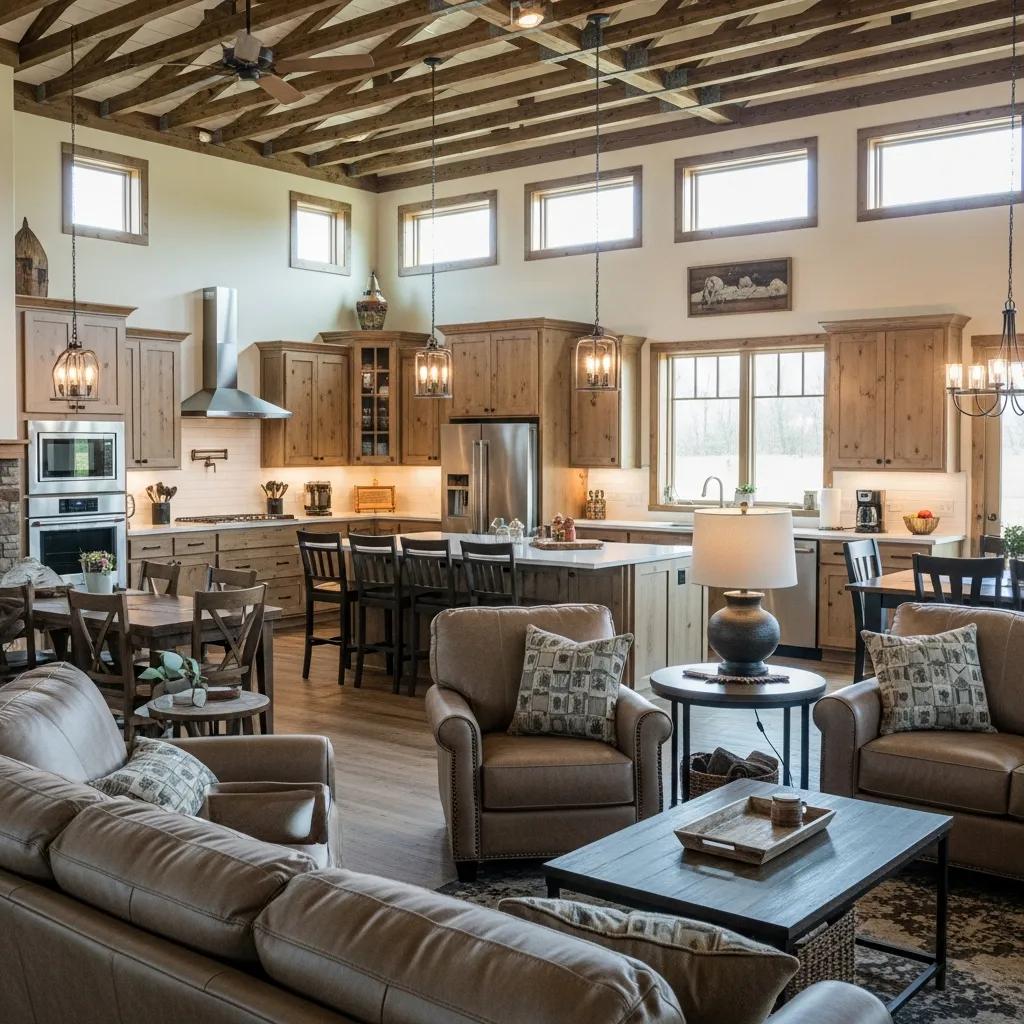
Barndominiums keep barn character through exposed beams, metal siding, and generous covered porches while delivering modern comforts like finished kitchens, insulated walls, and quality millwork. Trusses or glulam beams vault living areas, creating dramatic sightlines and true open‑concept living. Designers often pair reclaimed or warm wood with industrial metal accents and high‑end countertops to balance rustic charm and modern refinement. The result celebrates the building’s origins while providing the thermal comfort, acoustics, and amenities homeowners expect—factors that also shape regional plan choices.
What Are the Benefits of Custom Barndominium Designs in East Texas and Louisiana?
Custom designs for East Texas and Louisiana address heat, humidity, and storm exposure with strategies like generous roof overhangs, raised foundations or detailed slab work, and HVAC zoning to cut cooling loads. Choosing corrosion‑resistant metals, correct flashing details, and moisture‑managed wall assemblies improves longevity in humid environments. Smart plan placement—siting living areas and critical systems away from prevailing storm paths, adding covered outdoor living, and specifying window shading and operable cross‑ventilation—boosts comfort, lowers energy bills, and reduces upkeep. In short, site‑aware custom design is essential before you lock in a floor plan.
Which Barndominium Floor Plans Include Shops, Garages, and Workshop Spaces?
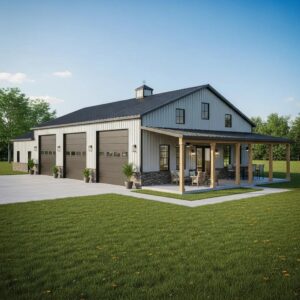
Most barndominium plans reserve one end or a bay for a shop or garage—options include drive‑through bays, rear‑access workshops, or attached front‑load garages that keep living areas private. Integrating a shop requires careful circulation planning, mechanical separation, and service access so fumes, dust, and heavy equipment don’t affect the home.
Use the compact comparison below to match shop footprint to typical uses and design recommendations.
| Shop Size | Common Uses | Design Recommendation |
|---|---|---|
| 12′ x 20′ | Hobbyist storage, lawn equipment | Include a roll‑up door, 1–2 dedicated outlets, and overhead storage. |
| 24′ x 30′ | Home mechanic, woodworking | Add a separate entry, 220V circuits, ventilation planning, and reinforced floor sections. |
| 40′ x 50’+ | Small business or large fabrication | Plan for drive‑through bays, heavy electrical service, ventilation/exhaust systems, and a separate restroom/office. |
This table helps you match shop size to activities. Below are core design points to consider when you integrate a shop into a barndominium.
Key planning considerations for integrated shops:
- Dedicated circulation: separate entrances and a mudroom buffer keep tool traffic out of living areas.
- Mechanical separation: air sealing, separate HVAC zoning, and proper ventilation protect indoor air quality.
- Structural and electrical planning: reinforced floors, appropriately sized panels, and 220V receptacles for heavy equipment.
Addressing these items up front preserves safe, efficient workflows; next we look at the practical benefits of integrated shops.
How Do Floor Plans with Integrated Shops Improve Day‑to‑Day Function?
Plans that pair living space and shop increase efficiency by placing tool storage, work surfaces, and vehicle access near a main entry or utility corridor—cutting time moving between shop and home. Useful features include drive‑through bays for easy loading, adjacent mudrooms to contain dirty gear, and built‑in storage walls to keep work areas orderly. Planning electrical, ventilation, and plumbing from the start reduces retrofit costs and enables wet/dry separation for projects that need water or chemicals. These choices boost everyday convenience and resale value, and they inform which attached‑garage layout will work best for you.
What Are Popular Layouts for Barndominiums with Attached Garages?
Common options are side‑load garages (which preserve the facade), front‑load garages (simple access), and drive‑through workshop bays (ideal for trailers and large equipment). Side‑load garages hide doors from the street and can allow deeper shop spaces; drive‑through bays simplify staging and small‑business operations. Designers usually recommend a buffer—like a mudroom or utility room—between shop and living areas to control noise and particulates. Choose the layout that fits your primary use, whether vehicle work, woodworking, or storage, before moving to schematic design.
What Defines Luxury Barndominium Designs and High‑End Features?
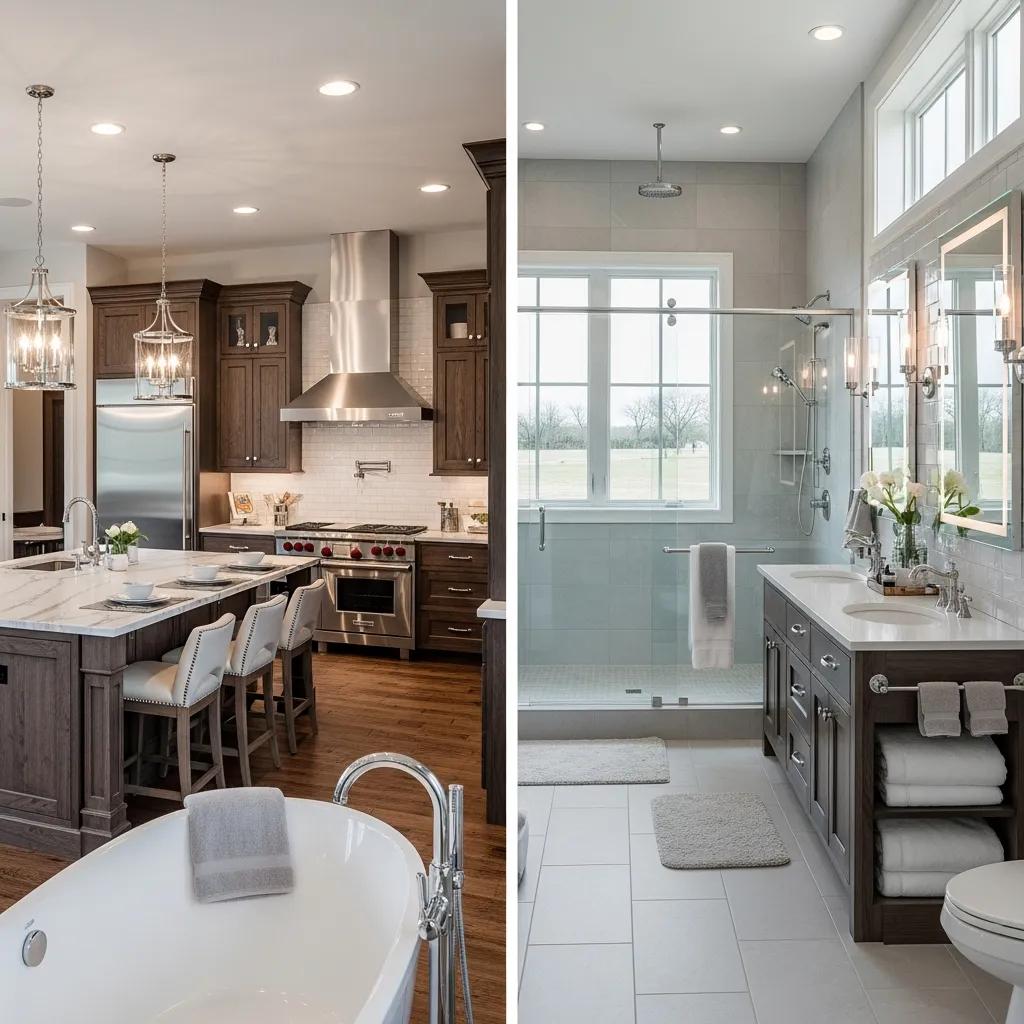
Luxury barndominiums layer premium finishes, dedicated amenity spaces, and upgraded systems onto the base structure to prioritize comfort, appearance, and long‑term value. Typical high‑end elements include custom millwork, engineered hardwood or premium tile, integrated smart‑home controls, high‑performance HVAC, vaulted great rooms, and purpose‑built home offices. The table below compares common luxury features with typical cost ranges and buyer value to help you budget wisely.
Thinking through material choices and spatial planning upfront is essential to delivering a genuinely high‑end barndominium.
Luxury Home Design Principles & Sustainable Features
This study examines design principles and aesthetics that shape luxury homes, identifying elements like security, spatial volume, material selection, façade and interior design, courtyard, and landscape. It also highlights how sustainable strategies—passive design, material choices, and energy efficiency—raise value and resilience, helping luxury homes perform better in extreme weather and operate more sustainably.
Applicability of Architectural Design Features in Contemporary Luxury Houses, MWH Jyi, 2023
| Feature | Typical Cost Range | Value to Buyer |
|---|---|---|
| Gourmet kitchen (custom cabinetry, high-end appliances) | $30,000–$80,000 | High — central to daily living and resale |
| Spa bathroom (steam, soaking tub, premium tile) | $15,000–$40,000 | High — enhances comfort and master suite appeal |
| Custom millwork and built-ins | $5,000–$25,000 | Medium‑High — refines interior aesthetics and storage |
| Smart-home systems and HVAC upgrades | $8,000–$30,000 | Medium — improves efficiency and convenience |
This table shows how luxury upgrades compare on cost and buyer value. Below are the material and spatial choices that most clearly define a luxury interior.
- Premium surfaces: natural stone countertops, wide‑plank hardwood, and custom tile work.
- Architectural details: coffered or vaulted ceilings, integrated lighting, and bespoke staircases.
- Systems integration: zoned HVAC, whole‑home controls, and energy‑efficient mechanicals.
Balancing these upgrades against core structure costs delivers a luxury feel without unnecessary spending. Next we cover how gourmet kitchens and spa bathrooms fit into floor plans.
Which Interior Elements Create a Luxury Barndominium Experience?
Luxury reads through custom millwork, layered lighting, premium finishes, and well‑proportioned rooms that emphasize daylight and texture. Choices like reclaimed wood accents, honed stone, and matte metal fixtures create tactile contrast while remaining durable for rural life. Built‑in storage and acoustic upgrades boost everyday comfort, and well‑placed glazing brings views without excessive solar gain. These details make the home feel intentional, refined, and fit for sophisticated living within a barn‑formed envelope.
How Do Gourmet Kitchens and Spa Bathrooms Fit into Luxury Floor Plans?
Gourmet kitchens need carefully planned workflow: a clear work triangle, a generous island, dedicated appliance zones, and electrical and mechanical capacity for high‑end equipment and ventilation. Spa bathrooms often use wet/dry separation, steam options, and premium fixtures with proper drainage and waterproofing. When budgeting, prioritize timeless, durable elements—cabinetry, ventilation, and waterproof substrates—because they drive long‑term performance and satisfaction. Addressing these needs during schematic design minimizes costly changes during construction and protects your investment in luxury features.
How Are Modern Barndominium Interior Layouts and Open‑Concept Designs Structured?
Modern barndominiums typically use open‑concept planning to preserve long sightlines, simple circulation, and flexible zones. Architects use structural cues—beam placement and allowable clear spans—to decide where partial walls, lofts, or mezzanines work best. Because open volumes can amplify sound, acoustic control is important. Designers unify spaces with continuous flooring, coordinated finishes, and layered lighting, while rugs, ceiling treatments, or small level changes define functional areas without full partitions. The items below outline practical features that support successful open‑plan living.
- Vaulted ceilings with exposed beams to boost perceived volume and light.
- Continuous flooring and aligned thresholds to keep flow uninterrupted.
- Zoning with furniture, lighting, and rugs to create distinct functional areas.
These planning principles keep spaces social yet comfortable, and they lead into structural and acoustic considerations you should weigh next.
What Are Key Features of Open‑Concept Barndominium Living Spaces?
Key features include engineered clear spans for unobstructed great rooms, mechanical chases placed for easy access, and acoustic solutions—insulated ceilings and sound‑absorbing finishes—to keep noise manageable. Open plans often center the kitchen and great room for entertaining while tucking private zones—bedrooms, offices—into quieter wings. Layered lighting (ambient, task, accent) anchors each zone and enhances perceived scale. Thoughtful planning keeps the open look while delivering practical, livable spaces.
How Do Modern Industrial and Farmhouse Styles Shape Interior Layouts?
Industrial style favors exposed structure, metal finishes, and minimal partitions—highlighting volume and mechanical systems. Farmhouse style leans toward cozy nooks, layered textures, and warm wood to create more intimate areas inside an open plan. A hybrid approach pairs industrial beams and metal accents with farmhouse warmth—soft textiles and painted millwork—so a layout can read both rugged and refined. Because materials affect acoustics, maintenance, and scale perception, pick finishes early to avoid costly revisions.
How Does Ross Homes & Drafting Customize Barndominium Plans with 3D Visualization?
Ross Homes & Drafting, LLC offers local custom drafting and 3D plan services for barndominiums, custom homes, metal buildings, and renovations. We focus on customization, craftsmanship, and clear communication for East Texas and Louisiana clients. Using 3D models and complete blueprint deliverables helps you visualize layouts, test materials, and catch conflicts before construction begins—reducing costly changes. Working with a local drafter ensures plans reflect regional codes, site conditions, and climate strategies important to Hemphill and surrounding areas. Below is a typical design workflow and how 3D visualization supports decisions.
Typical custom design process and benefits:
- Initial consultation and site assessment to capture your needs and local constraints.
- Schematic plans and 3D massing to refine layout, scale, and orientation.
- Revision cycles with updated 3D renderings and finalized blueprints for permitting.
This phased workflow keeps you involved and informed; 3D models turn concepts into realistic views that shorten approval and construction timelines.
What Is the Custom Barndominium Design Process in East Texas and Louisiana?
We start with a client interview and site review to match program needs—bedrooms, shop size, garage orientation—with topography, access, and permitting. Schematic designs create plan options and basic 3D massing to test flow and solar orientation before we move to detailed renderings and construction documents. Early integration of code review, foundation recommendations, and mechanical zoning prevents late‑stage changes and cost overruns. Regular revision cycles let you fine‑tune finishes, room adjacencies, and shop specs while reviewing realistic 3D views at every step.
How Do 3D Drafting Services Help Clients Visualize Their Dream Home?
3D drafting converts floor plans into photorealistic or schematic models that clarify scale, sightlines, and material relationships—helping you pick exterior colors, interior finishes, and fixture layouts with confidence. Models expose circulation pinch points, clearance issues, or mechanical clashes before construction starts, saving time and money. Deliverables typically include plan sets, elevations, and rendered interior perspectives that support permitting and contractor bids. The clarity from 3D models reduces change orders and improves client satisfaction during build‑out.
What Are Cost Considerations and Energy‑Efficient Features for Barndominiums in East Texas and Louisiana?
Local cost drivers include material prices, availability of specialized trades, site prep (drainage, flood mitigation), and permitting—each significantly affecting total budgets. In hot, humid climates, higher R‑value insulation, sealed mechanical rooms, and high‑performance windows with shading yield measurable payback by cutting cooling loads. The table below compares common insulation approaches and their cost/benefit for the region to help you prioritize upgrades.
| Insulation Approach | R-value/Characteristic | Cost/Benefit |
|---|---|---|
| Closed-cell spray foam | High R-value and air-seal | Higher upfront cost; excellent moisture control and reduced infiltration |
| Open-cell spray foam | Moderate R-value, vapor-permeable | Moderate cost; good for sound and some air sealing but moisture considerations needed |
| Fiberglass batt (with proper vapor control) | Variable R-value | Lower material cost; requires good installation and vapor management to avoid moisture issues |
| Rigid foam sheathing | Continuous thermal break | Moderate cost; reduces thermal bridging when combined with cavity insulation |
This comparison clarifies trade‑offs between upfront cost and long‑term performance in humid climates. Key budget drivers to evaluate include:
- Site preparation: grading, drainage, and foundation type based on soil and flood risk.
- Mechanical systems: properly sized HVAC for high cooling loads and possible multi‑zone setups.
- Material transport and specialized trades: remote sites raise logistics and labor costs.
Addressing these drivers early helps you set a realistic budget and choose efficiency measures with the best return.
How Do Local Factors Influence Barndominium Construction Costs?
Regional factors—availability of metal building components, local labor rates, and permit timelines—directly influence schedule and price. Coastal‑adjacent needs like elevated foundations or reinforced connections for wind resistance raise initial costs but lower maintenance and insurance impacts over time. Site access affects equipment rental and mobilization costs, and remote lots may require septic systems or wells that add to early expenses. Working with a local drafting partner helps you quantify these items and build a budget tied to site realities.
Which Energy‑Efficient Design Elements Are Popular in Barndominium Floor Plans?
High‑impact measures for East Texas and Louisiana include continuous roof and wall insulation with tight air sealing, high‑performance windows plus exterior shading, efficient ductwork with zoning, and solar‑ready roof framing for future PV. The table below summarizes these measures and their likely impact.
| Measure | Attribute | Value (Impact) |
|---|---|---|
| Continuous wall/roof insulation | Reduces thermal bridging | High — lowers cooling demand |
| High-performance windows + shading | Solar heat gain control | Medium‑High — improves occupant comfort |
| Zoned HVAC with sealed ducts | Targeted conditioning, reduced oversizing | High — improves efficiency and comfort |
| Solar-ready framing | Future renewable integration | Medium — adds long‑term value and offset potential |
Choose a mix that balances upfront cost, operating savings, and how you plan to use the home. For tailored integration, a local drafter will ensure these features are part of the initial design.
For homeowners seeking local expertise, Ross Homes & Drafting, LLC offers experience in barndominiums, metal buildings, and custom residential plans with 3D visualization and blueprint delivery. We focus on customization, craftsmanship, transparency, and service across East Texas and Louisiana. Our approach matches plan decisions—shop layout, insulation strategy, and finish level—to site conditions and client priorities so you avoid common pitfalls and get the best balance of cost and long‑term performance. Contact Ross Homes & Drafting for a precise estimate and a custom plan developed for your property in Hemphill, TX.
Frequently Asked Questions
What are the typical costs associated with building a barndominium?
Costs vary widely by location, materials, and design choices. A common range is about $100 to $200 per square foot, depending on finish level and features. Expect additional costs for site preparation, utility connections, and permits. Factor in ongoing maintenance and any energy‑efficiency upgrades you want. For an accurate estimate, talk to local builders or drafters who know your market.
How do I choose the right floor plan for my barndominium?
Start with how you live: number of bedrooms, need for a workshop or garage, and whether you want open living. Think about future needs and local climate—ventilation and insulation choices matter in humid areas. Narrow your must‑haves, then work with a designer experienced in barndominiums to translate those priorities into a practical layout.
What energy‑efficient features should I consider for my barndominium?
Key features include high R‑value insulation with tight air sealing, high‑performance windows with shading, and a zoned HVAC system with sealed ducts. Consider solar‑ready roof framing if you plan to add PV later. A local expert can help pick the right combination for your climate and budget.
Can I customize my barndominium design after construction has started?
You can make some changes after construction begins, but major revisions typically cause delays and higher costs. It’s best to finalize the design before framing starts. If you expect to change details, discuss flexibility with your builder and use 3D visualization to test decisions early and reduce late‑stage changes.
What are the advantages of using 3D visualization in barndominium design?
3D visualization clarifies spatial relationships, material choices, and sightlines so you can spot issues before construction. It helps you choose finishes, confirm clearances, and avoid costly surprises. Renderings and models also streamline permitting and contractor bidding by making intent clear.
How do local building codes affect barndominium construction?
Local codes govern structural requirements, zoning, and safety standards and can vary widely. They affect foundation type, wind and wind‑tie details, and energy or flood requirements. Early code review and working with local authorities or a local drafter help ensure compliance and avoid costly changes later.