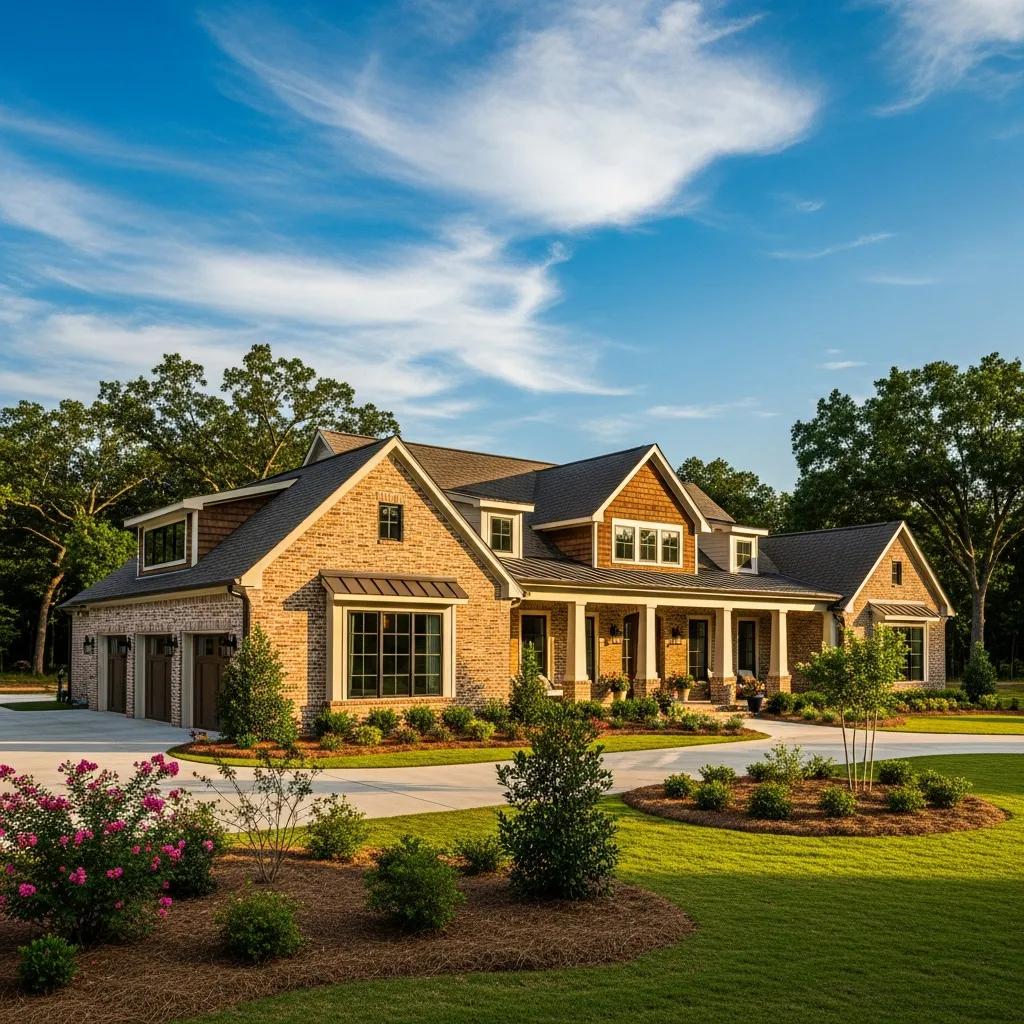
Custom Home Builders in Lufkin, Texas - Your Local Partner for New Homes and Barndominiums
Building a custom home or barndominium in Lufkin starts with clear planning, local know‑how, and a team that understands rural lots and homeowner priorities. This guide walks you through what to expect across Lufkin and East Texas — from design and permitting to construction timelines, financing, barndominium trade‑offs, renovation and drafting services, and regional durability factors. You’ll get practical steps for site‑smart design, see how 3D drafting reduces surprises, and find straightforward comparisons between metal building homes and traditional framed houses. We also tackle common pain points — unclear pricing, permit delays, and moisture control — with checklists and actionable advice to get your lot and budget ready. Sections cover why a local partner matters, the full custom build process, barndominium vs. traditional homes, renovation and drafting services, regional building considerations, and how to evaluate builders. Where helpful, we reference local search terms like custom homes Lufkin, Lufkin TX builder, barndominium Lufkin TX, and 3D drafting plans Lufkin to keep guidance practical and local.
Why Choose Ross Homes & Drafting as Your Lufkin TX Home Builder?
Choosing the right builder in Lufkin comes down to accountability, clear pricing, and a design process that respects the site. A single accountable team handling design through construction cuts handoffs, keeps timelines aligned, and protects quality. For rural properties, site‑smart plans and accurate 3D drafting make better decisions about septic placement, driveway access, and home orientation for morning sun and prevailing winds. The result is a clearer budget, fewer change orders, and improved long‑term performance for HVAC and moisture control. Plain communication and useful visual tools are what East Texas homeowners say they value most.
Ross Homes & Drafting, LLC offers straightforward, easy‑to‑understand pricing, 3D drafting to help you visualize the final home, and a single‑team delivery model that keeps projects coordinated from start to finish. Those features foster trust during design and construction and help homeowners compare options and make confident choices. If you want a local partner who prioritizes transparency and clear visuals during scoping, call or email Ross Homes & Drafting to request a consultation and estimate.
What Unique Benefits Do Our Custom Home Services Offer in East Texas?
Our custom services let you shape the floorplan while using materials and methods suited to rural lots and the East Texas climate. You can prioritize indoor‑outdoor living, durable exterior cladding, or energy‑efficient HVAC so the finished home matches your lifestyle and maintenance expectations. 3D drafting plans in Lufkin let you preview daylighting, room sizes, and circulation before construction begins, which reduces change orders and speeds selections. A local Lufkin TX builder will specify assemblies and materials that resist moisture and mold in our humid subtropical climate, improving comfort and long‑term value. Those choices balance upfront cost with durability, and our single‑team approach keeps them consistent through construction.
How Does Our Single-Team Approach Ensure Quality and Accountability?
Using a single‑team model means a dedicated project manager and a consistent crew handle design, permits, and on‑site construction so decisions happen quickly and issues get solved without finger‑pointing. This reduces miscommunication between designers and builders by keeping design intent and budget aligned throughout the project. A single point of responsibility speeds problem‑solving when unexpected site conditions arise and gives homeowners one responsive contact. Fewer subcontractor handoffs and centralized documentation also shorten turnaround for RFIs and change approvals. Those efficiencies set realistic expectations for the custom build and lead naturally into a step‑by‑step look at how a home moves from concept to move‑in.
What Is the Custom Home Building Process in Lufkin, Texas?
The custom build process in Lufkin follows familiar phases: discovery, design, permitting, construction, and closeout — each with predictable deliverables and timelines. An initial site assessment identifies soil, drainage, and access constraints that shape foundation choices and site prep. Design uses 3D drafting plans to refine layouts and budgets before permits are filed, reducing surprises during construction. Building progresses from foundation through rough systems to finishes, with scheduled walkthroughs and a punch list before final inspections. Knowing these phases helps homeowners plan cash flow and choose financing that matches the construction schedule and long‑term mortgage needs.
To make the process actionable, here are the typical phases and what each produces:
- Initial Consultation and Site Assessment: A site visit documents topography, soil conditions, and utility access, producing a scope outline and preliminary budget.
- Design and 3D Drafting: Iterative planning with 3D drafting yields permit‑ready construction documents and material selections that support accurate bids.
- Permitting and Approvals: Plans are submitted for local code review and any required engineering; approvals clear the way to start construction.
- Construction and Inspections: Building proceeds through sequential phases to final inspections, warranty paperwork, and owner orientation.
This phased view sets expectations and naturally leads into how owners typically fund custom builds, covered next.
How Do We Guide You Through Design, Permits, and Construction Phases?
Our approach is milestone driven and built around steady communication so projects stay on schedule. During design we provide schematic sketches, 3D renders, and a finalized plan set that match the agreed scope and budget. For permitting, we assemble required documents, submit plans to the county or city, and track comments and revisions to limit delays. On‑site management includes daily logs, subcontractor scheduling, and regular homeowner updates so construction remains transparent. These operational practices reduce surprises and prepare homeowners for the financing steps that follow.
What Financing Options Are Available for Custom Homes in East Texas?
Common financing routes for custom builds include construction‑to‑permanent loans, stand‑alone construction loans, and cash or private lending — each with different terms and disbursement structures. Construction‑to‑perm loans convert to a long‑term mortgage after construction and simplify closing; stand‑alone loans require refinancing when the build finishes. Best practices include holding a contingency reserve of 5–10% and using staged draws tied to inspection milestones so payments match progress. Working with lenders experienced in custom homes reduces administrative friction and helps disbursements align with the construction schedule.
The following table summarizes common financing choices and when homeowners typically use them:
| Construction Loan | Typical Term | When Used |
|---|---|---|
| Construction-to-Permanent | 15–30 years after conversion | Preferred when the owner wants a single close and a predictable long‑term rate |
| Stand-alone Construction Loan | Short-term (6–18 months) | Used if the owner plans to refinance or secure permanent financing separately |
| Gap/Private Financing | Variable short-term terms | Used when quick funding is needed or for smaller‑scale projects |
In short, construction‑to‑permanent loans remove a refinance step, while stand‑alone loans offer flexibility for separate long‑term financing. Understanding these options helps you set realistic schedules and budgets.
How Do Barndominiums Compare to Traditional Custom Homes in East Texas?
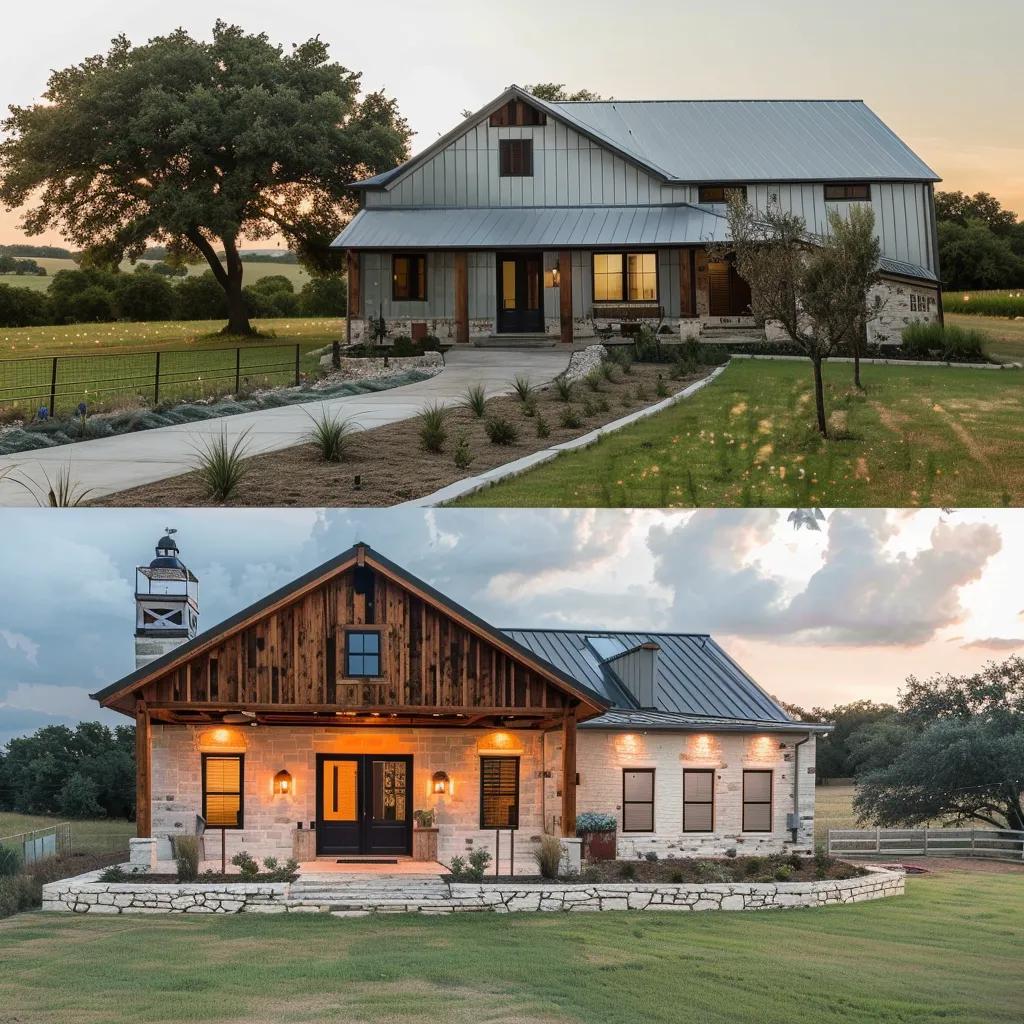
Barndominiums and traditional custom homes differ mainly in structure, materials, and build timelines — and each has trade‑offs for cost, maintenance, and design flexibility. Barndominiums use metal building systems for the primary structure, which can reduce framing costs and speed construction. Traditional homes use stick framing or masonry, which supports more exterior detail and varied facades but can take longer to build. In humid East Texas, energy performance and moisture management matter for both types, so insulation strategy and HVAC design drive lifecycle costs more than structural choice alone. Understanding these differences helps you pick the approach that fits your budget, aesthetic, and maintenance goals.
Here are practical points to consider:
- Barndominiums often win on speed and structural simplicity, which leads to faster occupancy.
- Traditional custom homes allow greater flexibility for complex architectural features and may meet resale expectations.
- Long‑term energy performance depends more on insulation quality and moisture control than on the basic structure.
What Are the Advantages of Building a Barndominium in Lufkin TX?
Barndominiums in Lufkin frequently offer quicker timelines, lower framing costs, and large open interiors that suit multi‑use living or workshop integration. The metal shell resists routine wear with fewer seams and typically requires less exterior upkeep than some siding options, appealing to owners who want low‑maintenance exteriors. Wide open spans simplify mechanical routing and allow flexible floorplans suited to lakeside living or hobby use common near East Texas reservoirs. As always, proper insulation and moisture control are essential in our humid climate to maintain comfort and efficiency. If you prioritize budget, speed, and adaptable interiors, a barndominium is a strong contender.
How Do Costs and Maintenance Differ Between Barndominiums and Custom Homes?
Lifecycle cost differences hinge more on material choices, insulation, and maintenance than on structure type alone — initial savings from a metal shell can be offset by higher HVAC loads if insulation is undersized. Barndominiums often cost less per square foot for comparable open plans because framing labor and materials are typically lower. Metal exteriors usually need less routine upkeep and retain paint well, while traditional exteriors may require more siding or trim maintenance. Don’t forget insurance, resale value, and long‑term energy costs — local market preferences should factor into your decision.
The table below compares typical attributes of barndominiums and traditional custom homes:
| Building Type | Cost to Build | Maintenance | Timeline | Energy Performance |
|---|---|---|---|---|
| Barndominium | Generally lower initial cost | Low exterior maintenance; insulation needs attention | Faster (shorter framing stage) | Good when insulated properly; risky if underspecified |
| Traditional Custom Home | Variable to higher cost depending on finishes | Moderate maintenance depending on materials | Longer due to detailed framing and finishes | High potential with optimized assemblies |
This side‑by‑side view shows barndominiums can deliver value and speed, while traditional homes offer architectural flexibility — both benefit from site‑smart design and the right insulation choices for East Texas.
What Home Renovation and Drafting Services Does Ross Homes Provide in Lufkin?
Our renovation and drafting services help homeowners make confident decisions, remove unknowns, and align scope with budget for whole‑home updates or metal building conversions. Professional 3D drafting produces accurate floor plans, elevations, and virtual walkthroughs that inform contractor bids and speed permit approval. Whole‑home renovations typically address structural updates, modernized mechanicals, and refreshed finishes and require clear scopes to avoid scope creep. Metal building construction and remodeling pair a durable shell with interior finishing options to create flexible living and workshop spaces. Solid documentation from drafting minimizes surprises and improves predictability for cost and schedule.
How Can 3D Drafting Plans Enhance Your Renovation Project?
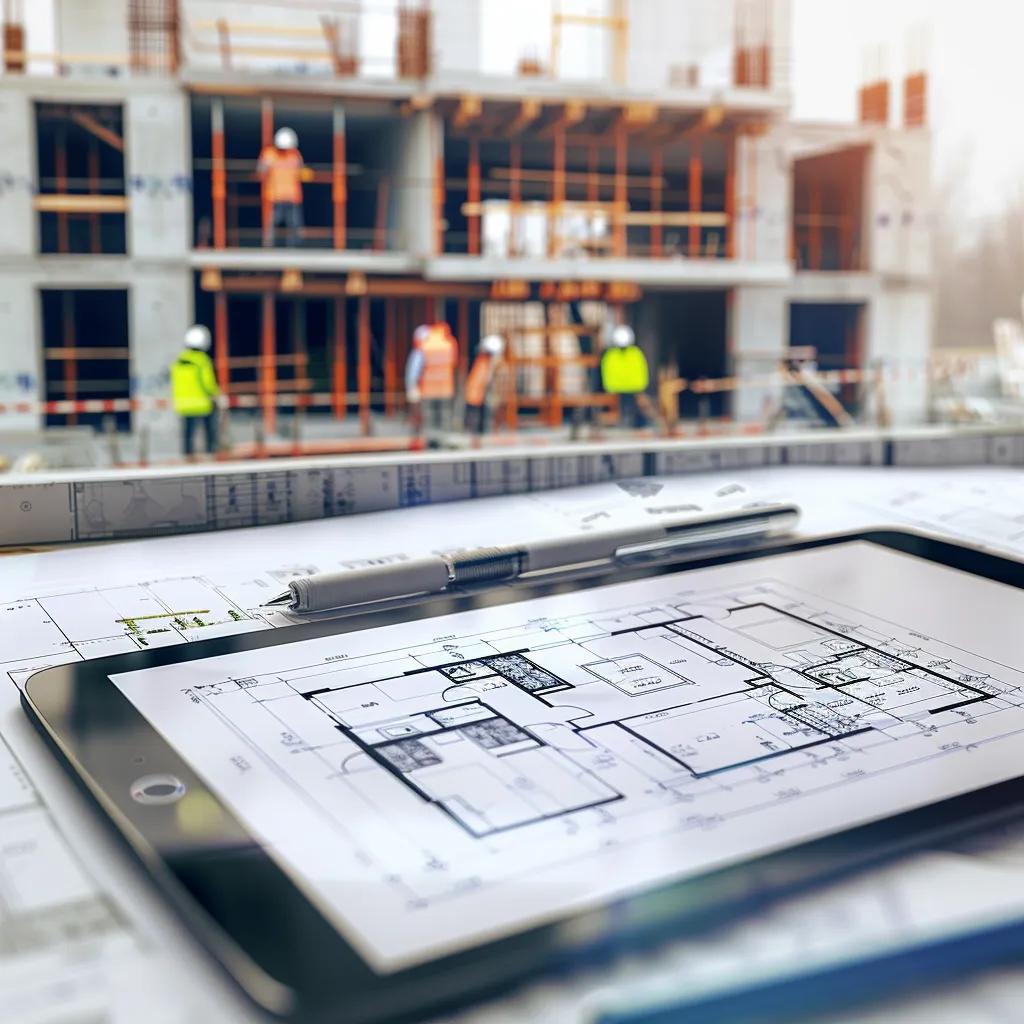
3D drafting turns concepts into dimensioned models homeowners and contractors can review together, which reduces uncertainty. Visual deliverables — floor plans, elevations, and virtual walkthroughs — reveal daylighting, circulation, and spatial conflicts before demolition starts, helping you make smarter choices about what to keep or change. Accurate plans also tighten contractor estimates by clarifying scope and materials, reducing bid variability and helping you pick realistic budgets. Better documentation speeds permit review and cuts down on inspection callbacks. Those practical gains lead to smoother renovations and clearer expectations for everyone involved.
Next is a quick look at typical drafting deliverables and the client benefits they map to.
The drafting and renovation deliverables table below outlines common outputs and client benefits:
| Deliverable | Description | Client Benefit |
|---|---|---|
| 3D Floor Plans | Dimensioned plans showing spatial relationships | Clear visualization of layout and flow |
| Elevations & Sections | Exterior and interior elevations with material notes | Accurate material planning and permit‑ready documents |
| Virtual Walkthroughs | Rendered navigation through the design | Early detection of spatial conflicts and selection issues |
What Are the Benefits of Whole Home Renovations and Metal Building Construction?
Whole‑home renovations improve livability and resale value by modernizing systems, improving layouts, and upgrading energy performance under a single scope. Renovations address structural issues, right‑size HVAC for the existing envelope, and refresh finishes to match how you live. Metal building construction offers durability and open spans that simplify conversions, workshops, and mixed‑use spaces while often shortening schedules. Drafting provides scope clarity for both renovation and metal building projects, preventing scope creep and aligning contractor bids with owner expectations. Combined, these approaches help homeowners prioritize investments that maximize comfort and long‑term value.
How Does Local Expertise Influence Building in Lufkin and East Texas?
Local expertise matters for foundation choices, drainage strategies, and material assemblies that perform well in Lufkin’s soils and humid subtropical climate. Familiarity with permitting practices and utility coordination shortens approval times and anticipates common inspection issues. Regional experience guides foundation details that resist clay movement, roof and siding choices that shed moisture, and HVAC sizing that accounts for local cooling and latent loads. Specifying sustainable materials and smart systems with the climate in mind can further lower operating costs and improve comfort. Understanding these factors reduces risk and supports long‑term performance for any new home or renovation in East Texas.
What Regional Building Considerations Affect Custom Home Construction?
Foundation and moisture management are top concerns in East Texas because clay‑rich soils and seasonal rains influence slab and footing design. Proper drainage — grading, gutters, and perimeter drains — protects foundations and reduces long‑term maintenance. Roofing details, generous overhangs, and humidity‑resistant cladding help limit insect and fungal exposure. HVAC sizing must account for high latent loads to maintain comfort and control humidity, preserving finishes and improving air quality. These site‑specific choices reduce future repairs and form the backbone of resilient, sustainable design.
How Do We Incorporate Sustainable Materials and Smart Home Technology?
We specify sustainable materials and smart systems to lower energy use, improve comfort, and add long‑term value. Typical strategies include upgraded insulation, high‑performance windows, and making roofs solar‑ready. Smart HVAC controls, programmable thermostats, and zoning save energy by matching conditioning to occupancy. Efficient lighting, low‑flow fixtures, and controlled ventilation improve indoor air quality while cutting utility costs. Together, these choices and systems produce homes that perform better in East Texas and deliver measurable benefits to occupants.
What Do Clients Say About Ross Homes & Drafting in Lufkin, Texas?
Clients frequently highlight clear communication, on‑budget delivery, and the clarity that comes from good plans when they evaluate our work. Homeowners appreciate steady updates, transparent pricing, and the ability to view designs in 3D before construction — all of which reduce surprises and speed decisions. Project galleries and case descriptions that frame scope, challenge, solution, and outcome help prospective clients gauge capacity without guessing. Measuring success by schedule, budget adherence, and final quality gives homeowners objective criteria when comparing local builders.
Which Recent Projects Showcase Our Custom Home and Barndominium Expertise?
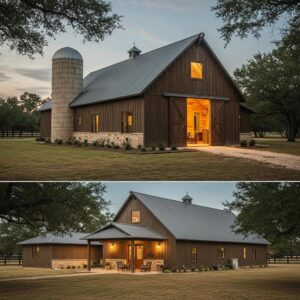
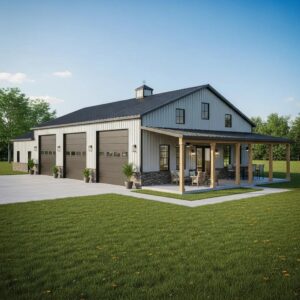
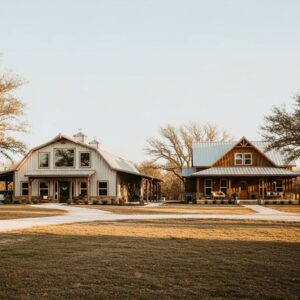
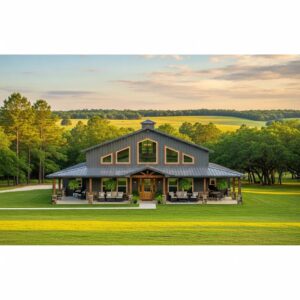
Project overviews usually group work by scope — new custom homes, barndominiums, and whole‑home renovations — and call out common challenges like site access, rural utilities, or moisture control. Presenting each project as overview, challenge, solution, and outcome helps readers see how design and construction choices solved site constraints while delivering homeowner priorities. Suggested visuals — exterior photos, staged interiors, and 3D renders — let prospective clients assess finishes and fit without inventing client details. These concise snapshots show consistent process and practical problem‑solving you can ask to review during selection.
How Do Customer Testimonials Reflect Our Commitment to Satisfaction?
Testimonials commonly mention clear communication, accountable project management, and the visual clarity provided by 3D plans that reduce surprises. When clients cite timely responses, transparent cost breakdowns, and on‑site oversight, it shows they felt heard and supported through the build or renovation. Prospective homeowners should request sample timelines, itemized scopes, and reference contacts when vetting builders. Ready to move forward? Contact Ross Homes & Drafting, LLC by phone or email to request an estimate, view the project gallery, or schedule a consultation.
- Request an Estimate: Call or email to book a consultation and receive an itemized scope and visual estimate.
- Review Design Deliverables: Ask to see sample 3D drafting plans and a project timeline to confirm expectations.
- Compare Transparent Pricing: Request the black‑and‑white pricing and a draft contract to evaluate accountability.
Those steps move homeowners from research to a documented plan and are a practical next step for choosing a local Lufkin TX builder.
Frequently Asked Questions
What should I consider when choosing a location for my custom home in Lufkin?
When choosing a site in Lufkin, consider soil type, drainage, and proximity to utilities. Our humid subtropical climate also affects foundation choices and moisture management. Think about access to services, schools, and roads, plus topography and any zoning rules that could influence your plans. A thorough site assessment up front helps ensure the location fits your long‑term needs.
How can I ensure my custom home is energy-efficient?
To improve energy efficiency, prioritize quality insulation, energy‑efficient windows, and an HVAC system sized for our climate. Smart controls like programmable thermostats and energy monitoring help optimize use. Consider passive strategies that maximize daylight and ventilation, and discuss efficient materials and systems with your builder during design to lock in long‑term savings.
What are the typical timelines for building a custom home in Lufkin?
Timelines depend on design complexity, permitting, and weather, but a full custom build typically takes about 6 months to over a year from initial consult to move‑in. Key stages include site assessment, design and drafting, permitting, and construction. Staying in regular contact with your builder helps manage schedule risks and address delays quickly.
What are the common challenges faced during the custom home building process?
Common challenges include permit delays, unexpected site conditions, and budget changes. Soil instability or drainage issues found during assessment can affect foundation plans. Fluctuating material costs and labor availability also influence timelines and budgets. Working with an experienced local builder who communicates clearly and plans contingencies helps you navigate these issues.
How do I prepare my lot for construction?
Preparing your lot means clearing vegetation where needed, grading for reliable drainage, and confirming utility access. A thorough site assessment will flag soil or drainage concerns that affect the foundation. Securing permits and coordinating with local authorities early streamlines the process. Engage your builder during preparation so the site is ready when construction begins.
What role does local climate play in home design and construction?
Lufkin’s humid subtropical climate shapes choices around moisture management and energy systems. Select materials and design details that resist humidity and mold. Proper insulation, ventilation, and correctly sized HVAC systems are essential to maintain comfort and indoor air quality. Seasonal weather patterns should guide roof design, overhangs, and exterior finishes for long‑term durability.
Can I customize my home after construction is complete?
Yes — many owners make post‑construction changes like interior renovations, landscaping updates, or energy upgrades. Keep structural implications and local codes in mind and consult professionals before altering the home. If you expect future changes, planning for them during initial design makes later updates easier and less costly.