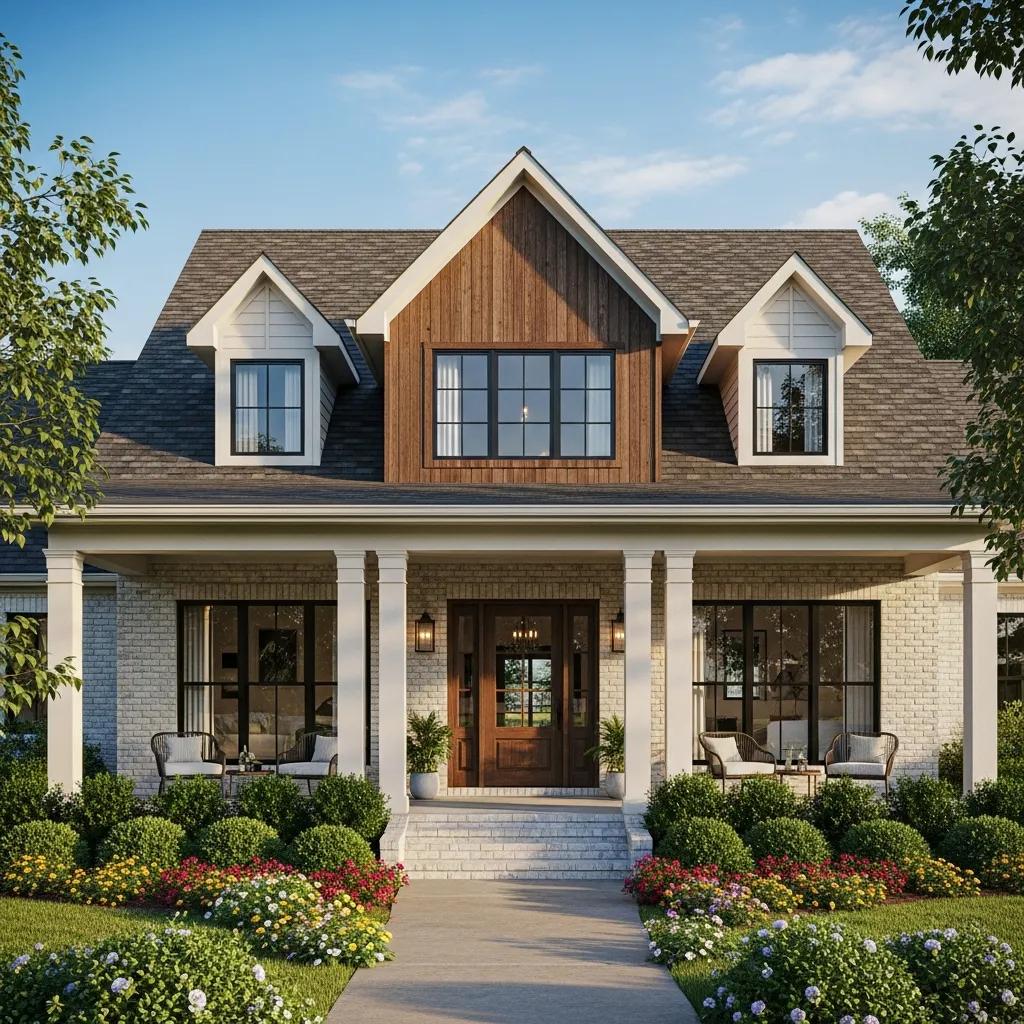
Building Custom Homes in Nacogdoches, Texas — Local, Practical Guidance from Builders Who Know the Area
Building a custom home in Nacogdoches means creating a house that fits your life today and adapts as your needs change — matched to your lot, East Texas weather, and local permit rules. This guide explains what new construction looks like here, how the planning and build process unfolds, and which home types — from farmhouse to barndominium — work best in the region. Whether you’re raising a family or planning for retirement, a regional approach that emphasizes indoor‑outdoor living, energy efficiency, and flexible layouts makes long‑term comfort easier to achieve. You’ll find clear steps for selecting a local builder, a straightforward design and construction roadmap, style and feature comparisons, barndominium options, renovation services, and practical answers about costs and financing. Use the checklists and tables to compare bids and plan your project with confidence.
Designing homes that adapt as needs change — especially for older residents — is becoming central to modern homebuilding.
Designing Homes That Adapt for Aging in Place
Adapting housing to support aging populations is a growing priority. Thoughtful, lifespan design builds safer, more comfortable homes that anticipate changes in mobility and health, making daily activities and in‑home care easier without sacrificing dignity or style.
… Housing Adaptability for Aging in Place. Sustainable Approaches to Improve Environmental Comfort, F Romagnoli, 2025
Why Choose Ross Homes and Drafting for Your Custom Home in Nacogdoches?
Working with a local, experienced builder shortens permit delays, aligns your design with East Texas weather, and gives you access to trusted subcontractors. Local teams know which materials hold up to humidity, how to prepare for seasonal storms, and what inspectors expect — all of which keeps your project moving. Dependable craftsmanship and clear communication also protect your budget and schedule.
Ross Homes and Drafting, LLC is a family‑run builder and drafting practice serving East Texas and Louisiana. We combine regional building experience with in‑house drafting so homeowners can see practical plans and get actionable guidance rooted in local know‑how.
The most useful benefits we deliver:
- 3D plans and permit‑ready blueprints that clarify decisions before construction begins.
- Design flexibility across home types — from classic custom houses to barndominiums and metal building homes.
- Open communication and hands‑on project coordination focused on quality to keep surprises minimal.
Partnering with a local team reduces friction and helps you move from concept to construction with confidence.
What Unique Benefits Do Local Custom Home Builders Offer?
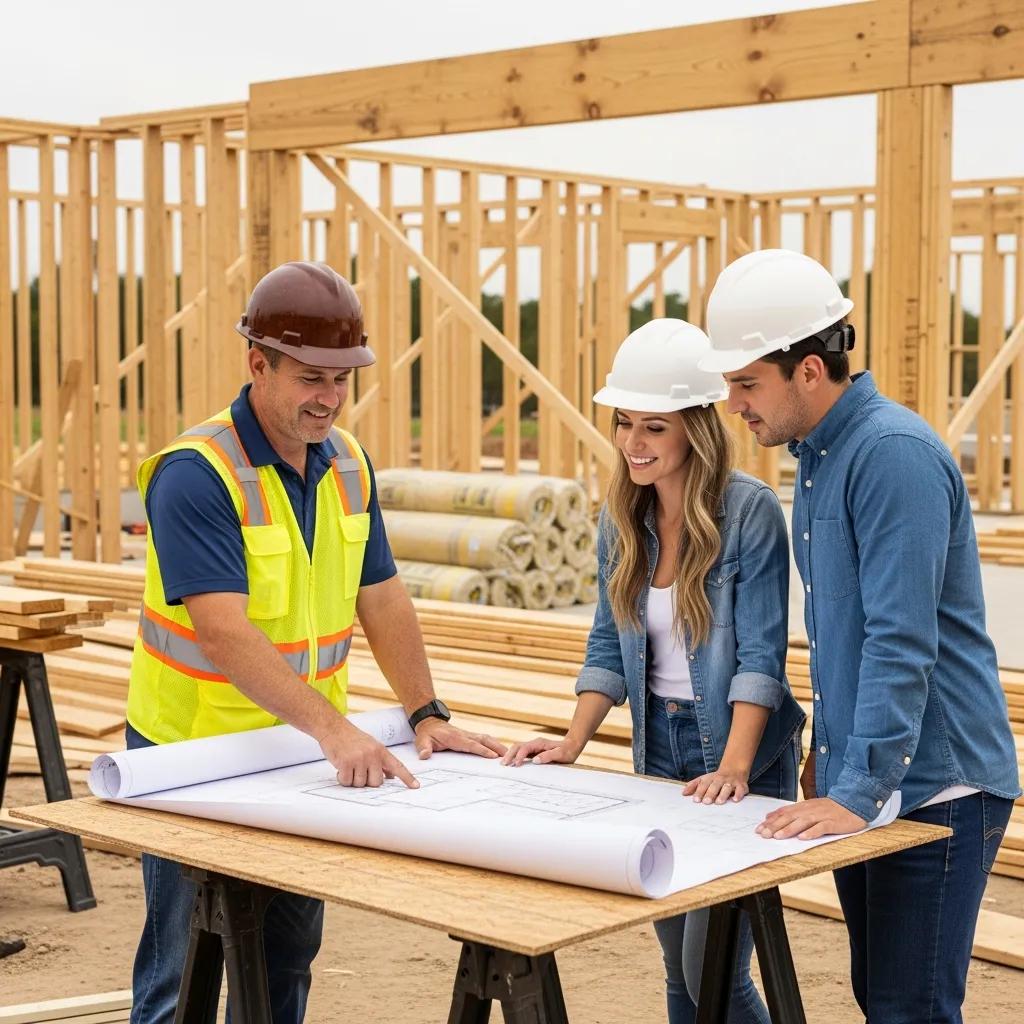
Local builders lower cost and schedule risk because they know permit timelines, inspector preferences, and reliable subcontractors. That familiarity usually means steadier pricing and faster mobilization. A builder who understands East Texas site conditions can advise on drainage, foundation types, and materials that resist humidity and seasonal weather. Being nearby also makes regular site visits and quality checks easier, which keeps workmanship tight and keeps you involved. Those practical advantages help you choose features and contractors that match your lot, budget, and long‑term maintenance goals.
How Does Quality Craftsmanship and Transparent Communication Enhance Your Build?
Quality craftsmanship focuses on the critical parts of the house — foundation, framing, roof, systems, and finishes — to avoid rework and lasting problems. Clear, written communication about budgets, change orders, and schedules prevents misunderstandings and preserves the agreed scope. Built‑in checkpoints like foundation inspection, framing walk‑through, systems rough‑in review, and finish approvals create formal moments to verify quality. Regular progress updates and easy access to drafting revisions keep you informed so decisions happen on time. These practices improve durability, homeowner satisfaction, and predictability as you move into permitting and construction.
What Is the Step-by-Step Process for Building a Custom Home in Nacogdoches?
A typical custom build in Nacogdoches follows clear phases from initial vision through move‑in: consultation, design and permitting, site prep, construction, and closeout. Each phase delivers concrete outputs such as preliminary budgets, 3D plans, permit‑ready drawings, and staged inspections. Knowing the timeline and expected deliverables for each step helps you set realistic expectations and avoid surprises.
Below is a concise, numbered process designed for planning clarity:
- Initial consultation and site evaluation (1–3 weeks): We define goals, budget and site constraints and deliver a preliminary feasibility assessment.
- Design and planning (4–12 weeks): Schematic designs, 3D blueprints and a construction estimate guide your budget and selections.
- Permitting and approvals (4–8 weeks): Permit‑ready drawings are submitted and we coordinate with local authorities until approvals are secured.
- Site preparation and foundation (2–4 weeks): Clearing, grading, utility hookups and foundation work follow local code and manufacturer requirements.
- Shell and systems (8–16 weeks): Framing, roofing, windows, HVAC, plumbing and electrical installations, with mid‑stage inspections.
- Finishes and commissioning (4–8 weeks): Trim, paint, cabinets, appliances and final systems commissioning before final inspection.
- Handover and move‑in (1–2 weeks): Final walkthrough, punch‑list completion, and delivery of keys and documentation.
This phased approach defines decision points and keeps the project on track.
Intro to the process comparison table: the table below summarizes what clients typically receive and what a builder provides during each major phase.
| Phase | Typical Duration / Deliverable | What the Client Receives and Builder Provides |
|---|---|---|
| Design & Planning | 4–12 weeks | Client receives 3D blueprints and a budget estimate; builder provides drafting, cost updates and revisions |
| Permitting | 4–8 weeks | Client receives permit‑ready drawings; builder manages submissions and interactions with authorities |
| Construction | 16–28 weeks | Client receives staged progress milestones; builder coordinates subcontractors and inspections |
How Does the Custom Home Design and Planning Phase Work?
Design and planning turn your goals into schematic layouts and then into construction‑ready 3D plans that lock in scope and cost. We start with a needs assessment and preliminary budget, then produce schematic sketches and iterative 3D renderings so you can see room sizes, flow, and exterior character. As material and systems choices are refined, the estimator updates costs to match finish levels and site specifics. The result is a permit‑ready drawing set and a well‑defined budget, which reduces guesswork during construction. Using 3D plans early lowers the risk of costly design changes once the build starts.
Research shows interactive 3D models help clients understand designs better and make decisions faster during the planning phase.
Interactive 3D Home Design & Visualization for Custom Builds
When clients can interact with a real‑time 3D model, they explore layout, lighting and material options more effectively, spotting issues and choosing finishes before construction begins.
… Interactive Home Design in a Virtual Environment, MF Shiratuddin, 2007
What Are the Key Construction and Project Management Stages?
Construction breaks into site prep, foundation, framing, systems rough‑in, insulation and drywall, finishes, and final inspections, with quality checks at each milestone. Good project management sequences trades to reduce downtime, coordinates inspections and deliveries, and builds schedule buffers for weather or permit delays. Homeowner approvals at framing and finish selection points keep the project aligned with your vision, while a controlled change‑order process documents scope and cost impacts. Clear project updates tell you what’s complete and what decisions are next so you can plan move‑in logistics with confidence.
Which Custom Home Styles and Features Are Popular in East Texas?
Homeowners in East Texas often choose styles that respond to the climate, lot and lifestyle: farmhouse, modern, traditional, and barndominium designs are common. These styles differ by materials, roof forms, porch strategies and how they connect indoor and outdoor spaces — all important in Nacogdoches’s humid subtropical climate. Popular features include wide porches for shade, elevated foundations where drainage requires it, open plans for family flexibility, and energy upgrades that lower operating costs. Matching style to maintenance expectations and resale value helps you make practical design choices.
Below is a comparison table to weigh style features, typical characteristics and cost suitability for East Texas builds.
| Style | Typical Features | Suitability / Cost Considerations |
|---|---|---|
| Farmhouse | Generous covered porches, pitched roofs, straightforward materials | Great for rural lots; moderate cost with traditional detailing |
| Modern | Open plans, large windows, flat or low‑pitched roofs | Ideal for scenic or infill lots; higher cost for specialty glazing and shading |
| Traditional | Balanced forms, durable cladding, classic proportions | Broad appeal; cost varies with material choices |
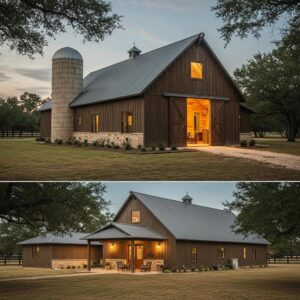
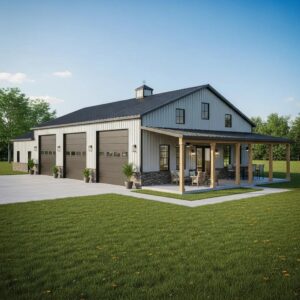
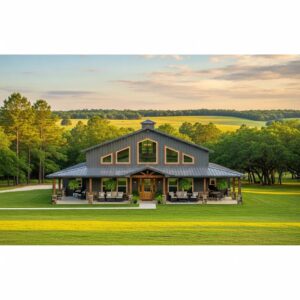
| Barndominium | Steel shell or metal panels, expansive interiors, flexible footprint | Lower shell cost; final price depends on insulation and interior finish level |
What Architectural Styles Suit Nacogdoches Custom Homes?
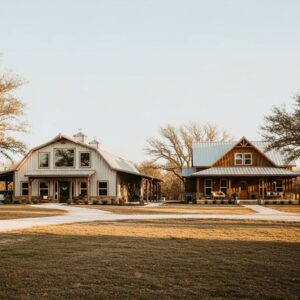
Farmhouse and traditional homes remain popular for their shaded porches and comfortable outdoor living during hot, humid summers. Modern designs suit homeowners focused on views and transparency but often need upgraded glazing and shading to control heat gain. Barndominiums and metal‑building homes offer a cost‑efficient shell and faster timelines, with large open spans ideal for workshops, vehicle storage, or flexible living. Choosing a style balances aesthetics, maintenance, and long‑term energy performance for East Texas living.
How Are Energy Efficiency and Smart Home Technologies Integrated?
Energy strategies for Nacogdoches homes focus on insulation, high‑performance windows, right‑sized HVAC, and electrical systems prepared for solar. Practical measures include continuous insulation or advanced framing to reduce thermal bridging, low‑E glass to limit solar heat, and HVAC zoning to improve comfort and efficiency. Smart systems — thermostats, lighting controls, security and water management — help automate and monitor energy use. Upfront costs vary, but these investments often yield long‑term savings and better daily comfort, making them worthwhile for many homeowners.
Energy audits can pinpoint the most cost‑effective efficiency upgrades for custom builds.
Texas Home Energy Audits for Cost‑Efficient Custom Builds
A straightforward home energy audit can guide homeowners and builders to cost‑effective measures by combining an initial simulation, calibration with utility bills, and a prioritized list of improvements.
… A Home Energy Audit Methodology for Determining Energy and Cost Efficient Measures: Test Results from Single‑Family Houses in Texas, JS Haberl, 2016
How Can You Build a Barndominium in Nacogdoches with Ross Homes and Drafting?
A barndominium pairs a metal or timber shell with finished living space, offering a flexible, cost‑sensitive alternative to traditional stick‑built homes. Its advantages are faster shell erection and open interior bays that work well for combined living, storage, or workshop use. Major cost drivers are interior finish level, insulation choice and mechanical complexity; timelines are often front‑loaded around shell erection and systems coordination. For East Texas, plan insulation and finish scope carefully to ensure year‑round comfort.
Ross Homes and Drafting turns a barndominium concept into code‑compliant plans with material guidance and tailored 3D drawings so you can compare options against conventional builds.
Typical barndominium sequencing emphasizes a quick weather‑tight shell and focused systems work:
- Prioritize shell erection and enclosure to protect the interior from weather.
- Choose insulation (spray foam, insulated panels) that meets your comfort and energy goals.
- Complete interior finishes and systems integration once the shell and utilities are in place.
See our project examples or request a quote through our public business profiles and website to get started.
What Are the Benefits and Design Options for Barndominiums?
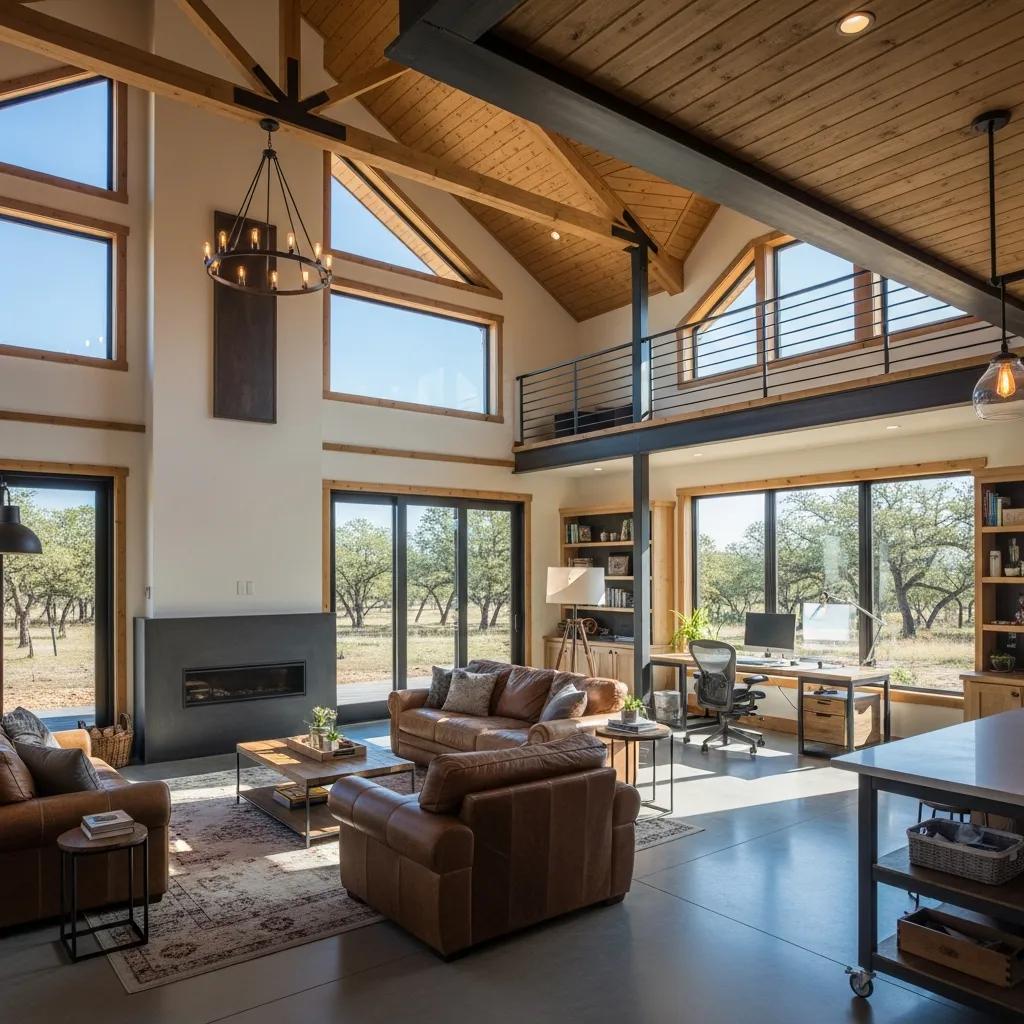
Barndominiums deliver faster builds, a lower shell cost per square foot, and flexible interiors that combine living, work and storage. Options include lofted spaces, expansive main floors, attached or detached garages, and adaptable bays that change with your needs. Insulation and interior partitioning determine whether the finished space feels like a conventional home or a hybrid workshop‑home. In East Texas, careful siting — orientation, shading and raised foundations — improves comfort and durability. Those choices make barndominiums attractive to owners who want practical, multi‑use living on a controlled budget.
What Does the Barndominium Construction Process Involve?
The barndominium process prioritizes quick envelope construction followed by systems integration and interior finishes. After site prep and foundation, the steel or timber frame and metal panels go up rapidly to enclose the building. Insulation selection at that stage is critical to reach residential comfort levels, and finish scope determines final cost and schedule for partitions, flooring and trim. Permitting and structural plans must reflect the hybrid nature of the building, and close trade coordination keeps an accelerated schedule on track in East Texas conditions.
What Home Renovation and Addition Services Are Available in Nacogdoches?
Homeowners in Nacogdoches can choose renovations and additions that update function, boost value, or adapt a house for aging in place. Common services include whole‑home remodels, room additions, kitchen and bath updates, garage conversions, and accessibility improvements. These projects need careful staging and a clear scope to limit disruption and control costs. Prioritize work by return on investment, lifestyle benefit and what’s feasible with the existing structure and site.
Separate immediate repairs from long‑term upgrades to plan budgets and timelines. Expect unknowns during demolition and budget contingencies into your plan.
Which Whole Home Remodel and Room Addition Options Are Offered?
Whole‑home remodels range from mechanical and finish updates to full gut renovations that reconfigure layout and envelope performance. Room additions can be ground‑level extensions, second‑story additions where structure allows, or garage‑to‑living conversions that reuse existing footprints. Choose based on budget, timeline and how much disruption you can tolerate; less invasive projects cost and finish faster, while full remodels deliver larger functional and value gains. Phased approaches spread cost and disruption and keep your home livable during work.
How Do Kitchen and Bathroom Renovations Enhance Your Custom Home?
Kitchens and bathrooms deliver high daily value: improved layouts, better ventilation for humidity control, and durable materials that stand up to East Texas conditions. Kitchens benefit from efficient work triangles, stronger ventilation, and surfaces that resist wear. Bathrooms gain longevity with water‑efficient fixtures, improved ventilation and moisture‑resistant finishes that reduce maintenance. When budgeting, prioritize mechanical systems and durable finishes before cosmetic upgrades to maximize long‑term value.
What Are Common Questions About Custom Home Building in Nacogdoches?
Homeowners often ask about costs, timelines, financing and how to choose the right builder — questions that determine feasibility and long‑term satisfaction. Cost per square foot varies with finish level, site work and custom features; timelines shift with permits, weather and change orders. Financing commonly uses construction loans or construction‑to‑permanent products and requires clear budgets and lender coordination. The concise answers below help set realistic planning expectations.
The FAQ comparison table below outlines typical ranges and the key factors that influence outcomes.
| Question | Typical Range / Answer | Key Factors Influencing Outcome |
|---|---|---|
| Cost per square foot | Varies widely; higher‑end finishes raise the price | Site prep, foundation complexity, finish level and custom features |
| Timeline to build | Several months to more than a year depending on scope | Permits, weather, material lead times and change orders |
| Financing options | Construction loans and construction‑to‑permanent are common | Credit profile, lender requirements, contingency funding |
What Is the Average Cost and Timeline to Build a Custom Home?
Costs depend on size, finish quality and site work; high‑end millwork and complex systems raise the per‑square‑foot price. Timelines typically range from about six months for simpler homes to a year or more for larger, highly customized projects. Permitting and weather are common delay sources. Major cost drivers include site preparation, foundation type, mechanical systems and custom finishes. Plan staged payments tied to construction milestones and keep a contingency in your budget to avoid schedule creep.
How Do You Finance and Plan Your Custom Home Project?
Most custom builds use a construction loan that pays draws during construction and converts to a mortgage when the home is finished. Prepare by getting lender pre‑approval, assembling detailed plans and a realistic budget, and allowing a contingency (typically 5–10%) for unexpected conditions or upgrades. Share a clear payment schedule and cost estimate with your lender. Solid financial planning reduces the risk of funding shortfalls and keeps your project moving.
Ross Homes and Drafting, LLC is a local resource for homeowners researching builders, drafting services and project coordination across East Texas and Louisiana. If you’re ready to explore options, review our project samples and contact our team for a consultation with lead Travis Ross.
Practical next steps:
- Gather inspiration and set priorities: List the must‑have spaces and features you won’t compromise on.
- Set a realistic budget and contingency: Match finish expectations to a per‑square‑foot target and include reserve funds.
- Request detailed 3D plans and estimates: Use 3D drawings to confirm spatial choices before construction begins.
Frequently Asked Questions
What are the key considerations when choosing a lot for a custom home in Nacogdoches?
Pick a lot with location and access in mind: proximity to schools, shopping and healthcare affects daily life and resale. Evaluate topography, drainage and soil quality since these influence foundation choices and cost. Consider lot orientation to maximize natural light and passive comfort. Finally, review local zoning and neighborhood rules early so your design meets community standards.
How can homeowners ensure their custom home is energy efficient?
Start with a well‑insulated envelope, high‑performance windows, and a right‑sized HVAC system. Include good ventilation and consider solar‑ready wiring. Smart thermostats and energy monitoring help optimize use. Choosing durable, energy‑efficient appliances and materials also lowers operating costs. Work with builders experienced in local climate solutions to prioritize the most cost‑effective measures.
What financing options are available for building a custom home?
Construction loans and construction‑to‑permanent loans are the most common routes for custom builds. These loans fund construction draws and can convert to a mortgage at completion. Prepare a detailed budget and lender‑ready plans before applying. Some homeowners supplement with personal savings for down payments. Talk to a lender or financial advisor early to identify the best approach for your situation.
What are the benefits of using 3D modeling in the design phase?
3D modeling makes design choices tangible: you can check room sizes, sight lines and material options before anything is built. It improves communication with your builder, reduces surprises, and highlights potential conflicts early so fixes cost less. Overall, 3D models speed decision‑making and increase confidence in the final design.
How do local climate conditions affect custom home design in Nacogdoches?
Nacogdoches’s humid subtropical climate requires materials and details that handle moisture and heat. Wide porches, proper shading, elevated foundations where drainage is an issue, and moisture‑resistant finishes help protect the home. Good ventilation and humidity control reduce mold risk and extend the life of finishes and systems. Designing with climate‑appropriate strategies improves comfort and lowers maintenance over time.
What are the common challenges faced during the custom home building process?
Common challenges include permitting delays, unexpected site conditions found during construction, and fluctuating material costs. Weather can interrupt schedules, and aligning design goals with budget limits often requires trade‑offs. Strong communication with your builder, regular progress updates, and a contingency budget help manage these risks and keep the project on track.