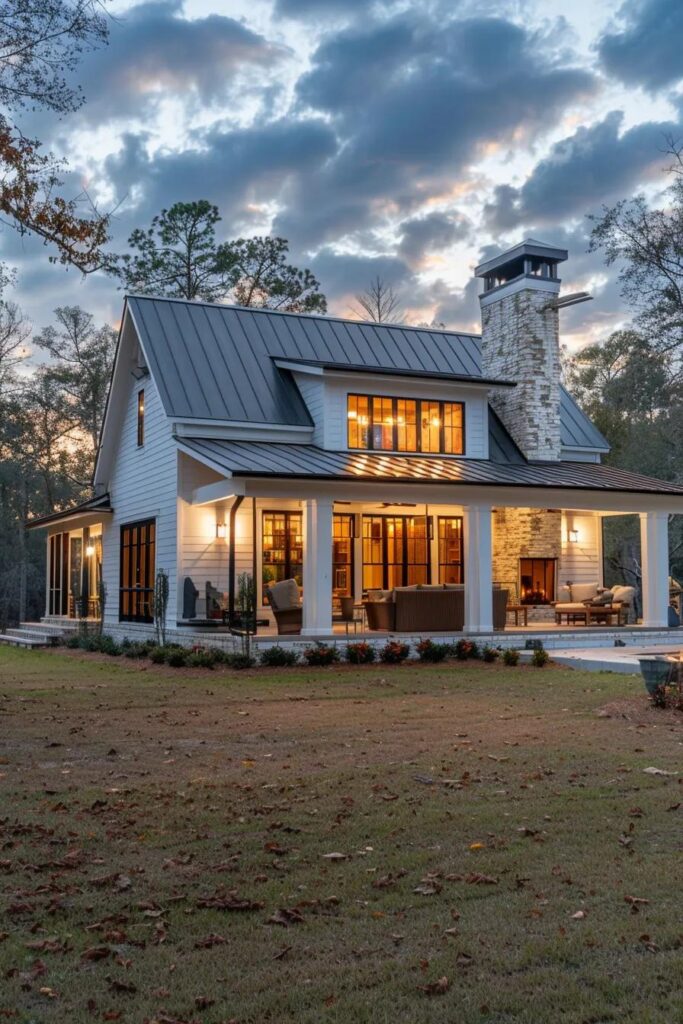
A Practical Guide To Building a Custom Home in Sabine County
Building a custom home in Sabine County means designing a place that fits lakeside recreation, rural privacy, and East Texas weather — while also protecting your investment. This guide walks you through why Sabine County is a smart place to build, what local builders offer, and the step‑by‑step path from concept to keys. You’ll find practical notes on local market conditions, popular East Texas styles like modern farmhouse and barndominiums, site factors for Toledo Bend and Sam Rayburn lakefronts, and straightforward financing and timeline guidance. We also explain how local builders handle permitting, foundations, finishes, and handover inspections. Throughout, Ross Homes & Drafting, LLC is presented as a local resource for planning, permitting help, 3D plans, and construction. By the end you’ll have a clear checklist to get started on a custom build or renovation in Sabine County.
Why Sabine County Is a Good Place to Build
Sabine County offers easy lake access, lower-density neighborhoods, and a lifestyle that appeals to retirees and families who want outdoor living and quiet. Toledo Bend and Sam Rayburn shape many design choices — single-level plans, covered porches, and materials that resist humidity are common priorities. Early‑2024 market trends show steady demand for customized lake and country properties, which can support long‑term value when homes are well designed and sited. Knowing the local demographics and environmental drivers helps you pick features that match your lifestyle and keep resale appeal in mind. The next section outlines the county’s demographic mix and what it means for home design.
Who Lives in Sabine County and What That Means for Design
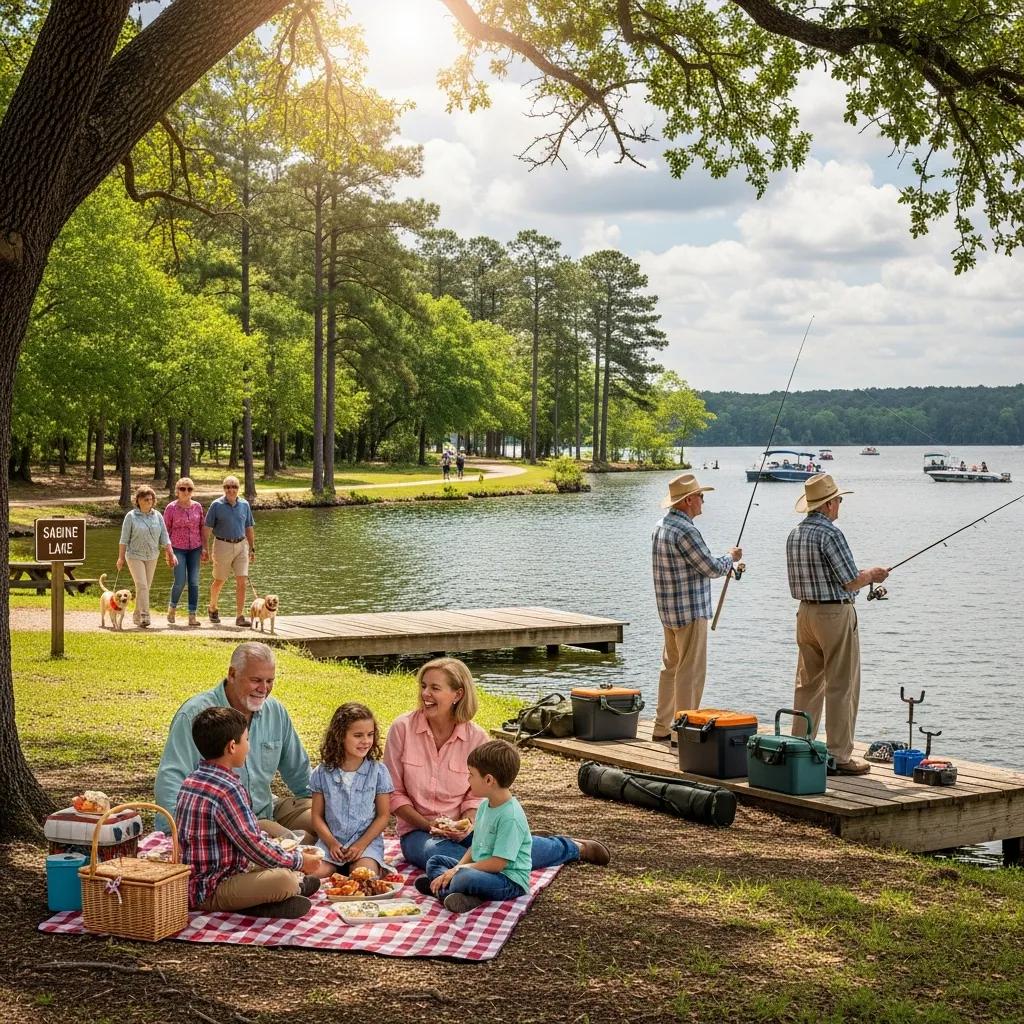
Sabine County is home to a mix of retirees and families drawn to recreation and lower living costs compared with larger East Texas towns. High homeownership and a sizable retiree population increase demand for accessible, single‑level plans and aging‑in‑place features like wider doorways and zero‑step entries. Proximity to Toledo Bend and Sam Rayburn encourages designs that flow between indoors and outdoors, use durable exterior materials, and include covered porches for year‑round enjoyment. Practically speaking, that means choosing low‑maintenance siding, properly sized HVAC for humid summers, and layouts that make lake living easy and comfortable.
How Local Market Trends Influence Investment Value
Early‑2024 indicators show limited inventory near lakeshores, so building a well‑designed new home can be a smart move. Focus on features that matter to buyers and reduce long‑term costs — energy‑efficient systems, durable exteriors, and flexible floor plans. In tight markets, purpose‑built lakehouses or barndominiums with storage and workshop space often sell better than generic listings, especially when the design matches local recreational use. Understanding timing, mortgage sensitivity, and buyer preferences helps you balance personal needs with broad market appeal.
Those value drivers lead into the next section on the specific services local builders provide to make these homes a reality.
What Services Does Ross Homes & Drafting Offer in Sabine County?
Ross Homes & Drafting provides the local services that keep a project on schedule and on budget: concept design, 3D plans and blueprints, permitting assistance, site preparation, and full construction through final walk. Taking a full‑service approach reduces surprises by aligning owner expectations with the build scope from day one. Below we compare home types and outline the benefits of whole‑home renovations around Hemphill and nearby communities.
Custom Homes vs. Barndominiums — Which Fits You?
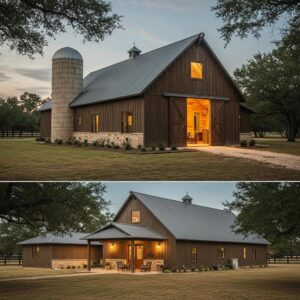
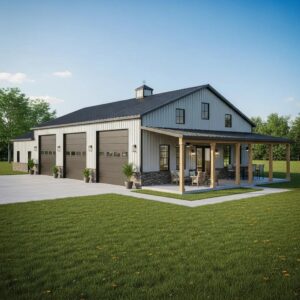
Custom homes and barndominiums serve different needs. Traditional custom homes prioritize architectural detail and finish choices for year‑round family living. Barndominiums pair metal or timber shells with flexible interiors for a workshop‑plus‑living solution. Barndos usually frame faster and can lower structural costs with metal or post‑frame systems, while stick‑built homes allow more roofline variety and finish customization. Decide based on durability, maintenance expectations, and how you’ll use the building — weekend retreat, full‑time home, or combined shop and living space.
Benefits of Whole‑Home Renovations in Hemphill, TX
Whole‑home renovations in Hemphill focus on modernizing systems, improving energy performance, and adapting older houses for today’s living or aging in place. Typical scopes include kitchen and bath updates, structural repairs, insulation upgrades, and HVAC replacement to perform better in East Texas. Renovations also let you add accessibility features and durable finishes that cut long‑term maintenance. Pick contractors who know local permitting and who give a clear renovation timeline — that’s the best way to avoid scope creep and keep budgets predictable.
Ross Homes & Drafting, LLC offers custom homes, barndominiums, metal buildings, whole‑home renovations, and 3D plans and blueprints — all delivered with straightforward communication and clear estimates. If you’re ready for a quote or design discussion, contact info is at the end of this guide.
How the Custom Home Process Works in Sabine County
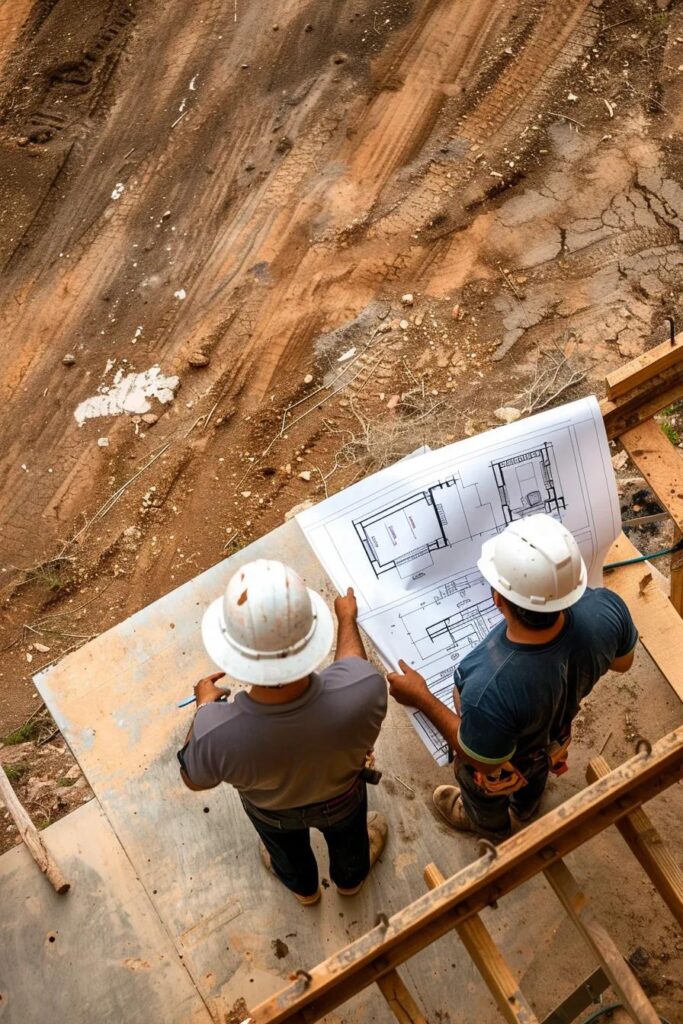
Building in Sabine County typically follows five phases: design and planning, permitting and site prep, foundation and framing, systems and finishes, and final walkthrough with handover. Clear phase definitions help control schedule and cost. County permitting, soil conditions, setbacks, and lakeside flood concerns can affect timelines and budget. Below is a concise, homeowner‑friendly timeline and responsibility breakdown you can use to compare builders and plan financing.
- Design & Planning: Create schematic plans, 3D renders, and specifications — typically 4–8 weeks depending on revisions.
- Permitting & Site Prep: Submit plans and clear the site — timing varies, commonly 2–8 weeks.
- Foundation & Framing: Pour footings and raise the structure — roughly 4–12 weeks, weather and foundation type dependent.
- Systems & Finishes: Install mechanical, electrical, plumbing, insulation, and finish carpentry — commonly 8–16 weeks.
- Final Walkthrough & Handover: Finish punch‑list items, pass inspections, and orient the owner — allow 2–4 weeks.
That framework leads into a clear comparison of phases, typical timelines, and who’s responsible for each step.
| Phase | Typical Timeline | Primary Responsibility |
|---|---|---|
| Design & Planning | 4–8 weeks | Owner decisions, architect/builder coordination |
| Permitting & Site Prep | 2–8 weeks | Builder submits permits; owner secures financing |
| Foundation & Framing | 4–12 weeks | Builder manages subs and inspections |
| Systems & Finishes | 8–16 weeks | Builder coordinates trades; owner selects finishes |
| Punch List & Handover | 2–4 weeks | Builder completes corrections; owner final walk |
Key Decisions That Shape Cost and Schedule
Decisions that most affect budget and timeline include final scope, permits and financing, material and finish selections, and how change orders are handled. Early choices — lot orientation, home footprint, and mechanical systems — drive foundation complexity and long‑term energy use. Expect regular review meetings during framing and rough‑in to confirm mechanical routing and fixture choices. A documented change‑order process with written approvals and cost implications keeps everyone aligned and prevents budget surprises.
How Ross Homes & Drafting Stands for Quality and Transparency
We focus on clear communication, written estimates, and no hidden fees. Our documentation practice includes line‑item scopes, scheduled milestone updates, and quality checkpoints during framing, rough‑in, and finishes to make sure work follows the plans. With three generations of construction know‑how, our team brings hands‑on framing experience and practical solutions for local site challenges. Ask any builder for line‑item estimates and a communication plan — that’s the best way to ensure transparency through the project.
Popular Designs and Features for East Texas Homes
East Texas trends favor indoor‑outdoor living, durable materials for humidity, and styles that blend rustic character with modern amenities. Common styles include modern farmhouse, rustic luxury, ranch, and barndo conversions — each with distinct roofs, material palettes, and layouts that suit Sabine County and lakefront orientation. Trending features: open kitchen‑to‑living plans, covered porches or screened lanais, high‑performance windows and HVAC, and aging‑in‑place details. The table below compares styles, signature elements, and the buyers they suit.
| Design Style | Key Features | Best For |
|---|---|---|
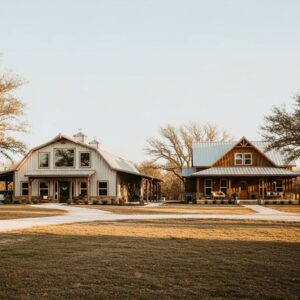
| Modern Farmhouse | Gabled roofs, mixed siding, open kitchen | Families and weekend lake houses |
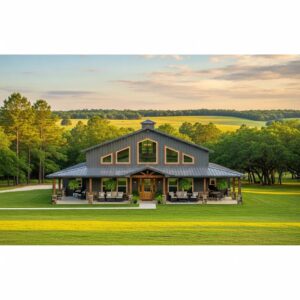
| Rustic Luxury | Exposed beams, stone accents, warm finishes | Owners who want character and comfort |
| Ranch | Single‑level plan, wide eaves, accessible layout | Retirees and aging‑in‑place needs |
| Barndo Adaptation | Metal shell, open interiors, workshop space | Hobbyists and owners needing versatile space |
Trending Styles for Sabine County Builds
Modern farmhouse and ranch plans remain popular because they work well on lakeside lots and favor porch‑oriented outdoor living. Rustic luxury appeals to buyers who want expressive materials like stone and timber. Barndominiums offer an affordable route to flexible interiors and integrated shop space, attractive to owners who value durability and utility. When choosing style, consider roof materials, overhangs for sun protection, and raised foundations for flood‑exposed lake parcels.
Energy and Sustainability Opportunities
Practical efficiency upgrades for East Texas include better insulation, correctly sized high‑efficiency HVAC, LED lighting, and high‑performance windows to reduce cooling loads in humid weather. Solar readiness — prewiring and roof reinforcement — lets you add PV later without major rework. Durable exteriors and breathable assemblies cut long‑term maintenance. Smart thermostats and zoned HVAC add comfort and measurable savings for owners who want lower operating costs.
With design and efficiency decisions in hand, the next section covers where to build in Sabine County and lake‑specific site considerations.
Where to Find Lake Houses and Barndominiums in Sabine County
Most prime building areas sit around Toledo Bend and Sam Rayburn lakes. Each area has different lot types, access conditions, and regulations that affect site work and foundation choices. Shoreline slope, floodplain status, septic feasibility, and road access determine allowable footprints and construction methods. Barndominium sites usually favor flat, well‑drained parcels where post‑frame or metal shells go up quickly; lakefront lots often need elevated foundations, erosion control, and more site prep. The table below summarizes typical cost drivers and timelines for Toledo Bend, Sam Rayburn, and barndo sites.
| Site Type | Typical Cost Drivers | Typical Timeline |
|---|---|---|
| Toledo Bend Lake House | Shoreline access, flood mitigation, septic | 6–12+ months |
| Sam Rayburn Lake House | Road access, lot topography, dock permitting | 6–12+ months |
| Barndominium Site | Foundation type, utility runs, shell erection | 4–9 months |
Why Toledo Bend and Sam Rayburn Work Well for Lake Homes
Both lakes offer recreation and shoreline variety that suit weekend getaways and full‑time homes, with many lots offering direct or near‑shore access. Lot topography ranges from gentle slopes to steeper banks, affecting dock location, erosion control, and foundation elevation. Typical design responses include elevated living areas, wraparound porches for views, and durable exterior cladding to handle humidity and wind. Choosing a lot with good road access and utilities reduces unexpected site prep costs.
Barndominiums: Durable, Fast, and Flexible
Barndominiums combine tough steel or post‑frame shells with insulated interior partitions and quality finish carpentry to produce comfortable, low‑maintenance homes. The metal shell gives a durable exterior while the interior build‑out focuses on insulation, HVAC zoning, and thoughtful finishes for thermal comfort. Timelines are often shorter than stick‑built homes because of simplified framing. Cost drivers include insulation level, finish choices, and utility connection lengths based on site location.
After reviewing site types and build methods, the final section explains how to begin with financing, timelines, and builder selection.
How to Start Your Custom Home Project in Sabine County
Start with a discovery phase: set a target budget, confirm lot feasibility, and choose a design‑builder or architect‑contractor to produce buildable plans and a realistic schedule. Initial steps: determine priorities and must‑have features, select or verify a lot, and get pre‑approval or discuss construction loan options with a lender. A concise action plan moves you from idea to contract faster and reduces delays from permits or financing. Use the checklist below to begin.
- Define your budget and priorities, including design style and must‑have features.
- Confirm lot suitability and permitting constraints with local officials or a builder.
- Choose a designer and builder, finalize plans, and secure financing pre‑approval.
Expected Financing Options and Timelines
Common financing choices are construction‑to‑permanent loans (fund construction and convert to a mortgage) and short‑term construction loans with separate permanent financing. Home equity or cash can supplement down payments or contingency funds. Typical pre‑construction work (design and permitting) runs 6–12 weeks for modest projects and longer for complex lakefront builds; construction generally takes 4–12 months depending on type. Working with a lender familiar with rural and lakefront properties helps speed approval and align draw schedules with construction phases.
What Client Feedback Tells You About Local Builders
Local clients often praise clear communication, practical problem‑solving, and solid craftsmanship — signs a builder understands local conditions and can manage site challenges. Instead of relying only on testimonials, ask builders for references and project walkthroughs to confirm timeliness, flexibility, and quality. Request line‑item estimates and past projects that match lakehouse or barndo work so you can compare capabilities before signing a contract.
Ready to take the next step? Contact details for Ross Homes & Drafting, LLC are below to request a quote or schedule a consultation.
Ross Homes & Drafting, LLC serves Sabine County, Hemphill, and surrounding East Texas with custom homes, barndominiums, metal buildings, whole‑home renovations, and 3D plans and blueprints. To get a quote or discuss your project, contact Travis Ross by phone or email. We focus on craftsmanship, honest communication, and clear written estimates with no hidden fees. Contact details:
- Ross Homes & Drafting, LLC — 209 Pinto Drive North, Hemphill, TX 75948
- Contact: Travis Ross — Phone: 936.671.0652 — Email: travis@rossdrafting.com
Frequently Asked Questions
What are the typical costs associated with building a custom home in Sabine County?
Costs vary by location, design complexity, and finish level. Typical construction costs range roughly $150 to $250 per square foot, depending on selected materials and features. Add expenses for land purchase, site prep, permits, and utility work. The best approach is to get a local, line‑item estimate from a builder so your budget reflects the specifics of your project.
How long does the custom home building process typically take in Sabine County?
Most custom projects run about 6 to 12 months from groundbreaking to move‑in, though complexity, permitting, and weather can extend that. The process breaks into design and permitting, foundation and framing, systems and finishes, then final walkthrough. Stay in regular contact with your builder to manage timing and avoid surprises.
What should I consider when selecting a lot for my custom home?
Check location, topography, utility access, and nearby amenities. Evaluate orientation for light and views and verify zoning, floodplain designation, and soil conditions that affect foundation choices. Working with a local builder or surveyor early helps identify site constraints and keeps costs predictable.
Are there any specific building codes or regulations in Sabine County?
Yes. Sabine County has building codes that cover structure, electrical, plumbing, and energy requirements. Local rules and permit needs can vary, so use a builder who knows county and municipal processes to ensure compliance and avoid delays.
What are the advantages of working with a local builder like Ross Homes & Drafting?
Local builders bring knowledge of the Sabine County market, familiarity with codes and permitting, and relationships with suppliers and subcontractors. That local experience helps deliver projects on time and within budget while adapting to site‑specific challenges.
How can I ensure my custom home is energy‑efficient?
Start with proper insulation, right‑sized high‑efficiency HVAC, LED lighting, and high‑performance windows. Plan for solar readiness if you may add panels later. Durable, breathable exterior assemblies and smart thermostats or zoned HVAC also cut operating costs. Discuss energy goals with your builder during design so efficiency is built in from the start.