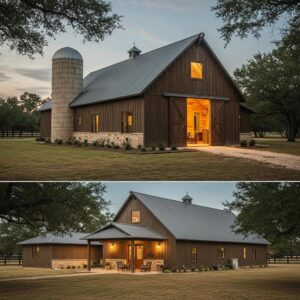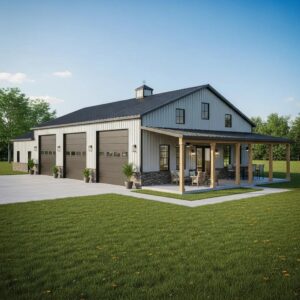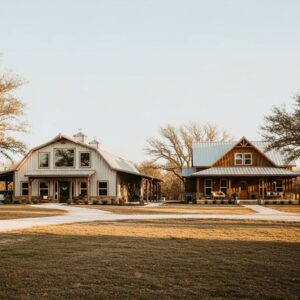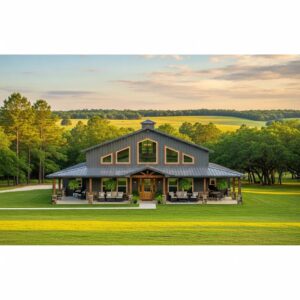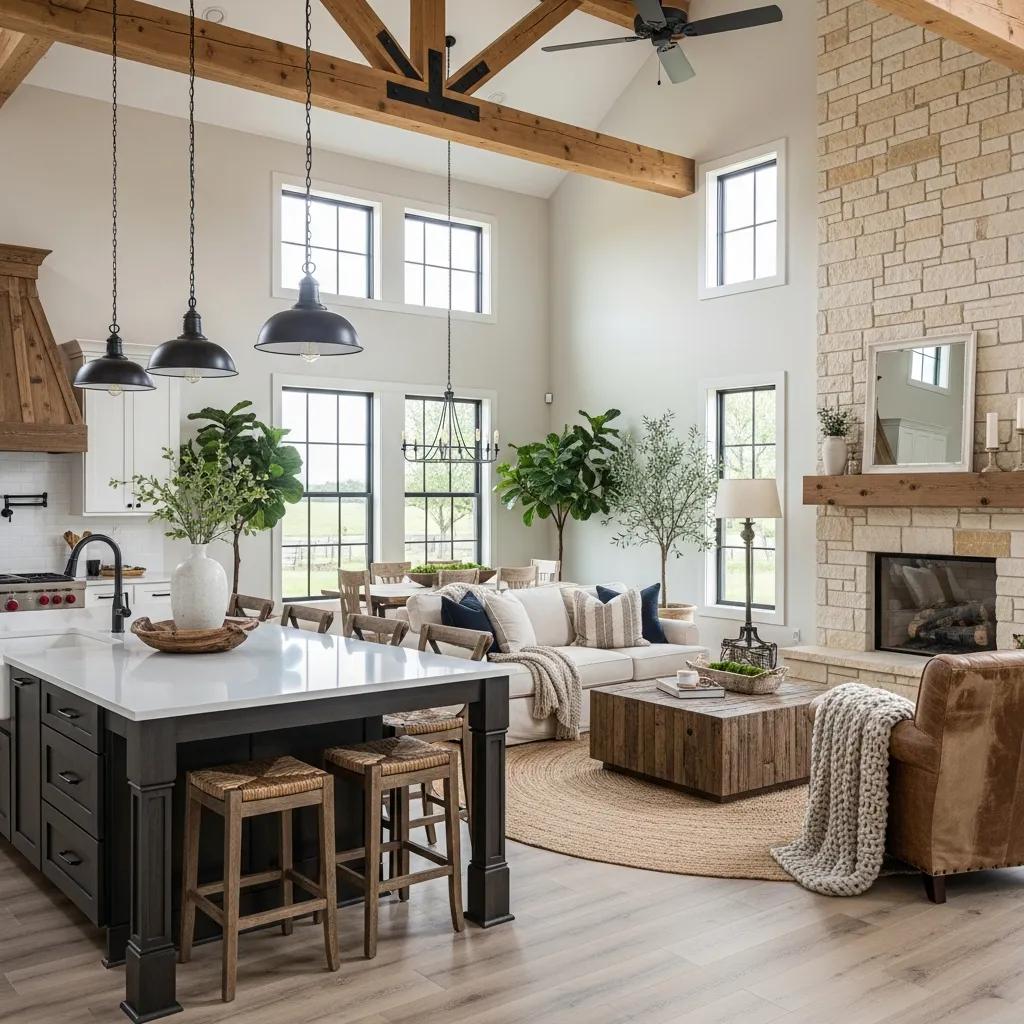
Barndominium Interior Inspiration — Modern, Comfortable Designs That Work
Barndominium interiors marry the broad, honest structure of agricultural buildings with the comforts and details of modern homes. This guide walks homeowners and designers through practical ideas and clear steps for creating barndominium spaces that feel spacious, warm, and built to last. We cover core design principles, current style directions, rustic strategies, room-by-room solutions, and the trends shaping 2025. You’ll learn how open plans, contrasting materials, and clever storage keep large volumes human-scaled, plus which finishes and systems perform best in humid East Texas and Louisiana conditions. We also explain the tools — like 3D plans and integrated smart systems — that help you visualize decisions before construction, and show how a design-first builder turns those ideas into drawings and finished spaces, including examples from Ross Homes & Drafting, LLC.
What are the guiding principles for barndominium interiors?
Good barndominium design relies on openness, honest materials, and functional zoning to turn big, simple shells into comfortable homes. Prioritize circulation and proportion so natural light travels and large rooms feel purposeful. Counterbalance metal or concrete with warm wood and textiles to avoid a cold, industrial look. Built-in storage and flexible furniture keep open volumes tidy and adaptable. Below are the actionable principles that make those ideas real.
Key principles to guide your design:
- Open circulation: Keep sightlines clear while mapping intentional traffic paths.
- Maximize daylight: Use windows, clerestories, and skylights to brighten deep interiors.
- Material balance: Pair metal and stone with wood and soft textiles for warmth.
- Scaled zoning: Define areas with furniture, rugs, and layered lighting.
- Integrated storage: Add cabinetry, loft spaces, and built-ins to reduce clutter.
These basics lead naturally into layout strategies — especially the open-plan approach — which we unpack next.
How does an open layout improve barndominium living?
Open layouts make barndominiums feel larger and more social by removing unnecessary walls and letting daylight and views travel. Islands and low partitions can mark function without closing spaces off, while changes in flooring, area rugs, and statement lighting establish zones. Pay attention to acoustics — soft materials, rugs, and upholstered pieces cut echo — and protect main circulation routes when arranging furniture. Done thoughtfully, an open plan gives you flexibility, connection, and a strong sense of volume without sacrificing comfort.
Which materials and finishes define the look and performance?
Materials set tone and determine how a home performs over time. Reclaimed wood and warm-stained timbers bring rustic comfort; steel, concrete, and matte-black hardware add an industrial, durable edge. In humid or lakeside climates, choose low-maintenance flooring and properly sealed wood. The table below compares common options so you can weigh durability, appearance, and cost for each zone.
Material comparisons for common interior zones:
| Material | Durability / Maintenance | Visual Character | Typical Cost Range | Best Use |
|---|---|---|---|---|
| Reclaimed wood | Moderate; requires sealing | Warm, textured, rustic | $$ | Accent walls, beams, millwork |
| Steel / exposed metal | High; low maintenance | Industrial, structural | $$ | Beams, stair rails, hardware |
| Polished concrete | Very durable; needs sealing | Modern, sleek | $$ | Floors, counters, high-traffic zones |
| Natural stone | Durable; variable maintenance | Timeless, solid | $$$ | Fireplaces, feature walls |
| Luxury vinyl plank (LVP) | Durable, low maintenance | Wood-like, practical | $ | Flooring in wet-prone spaces |
Mixing these finishes helps you balance warmth, longevity, and budget. Next we explore modern style directions that apply these materials in different ways.
What are popular modern barndominium style approaches?
Modern barndominium interiors tend to fall into a few clear approaches: modern farmhouse softens industrial elements with clean lines and bright palettes; industrial leans into exposed structure and raw materials; minimalist design pares back to emphasize space and function; and luxury hybrids layer premium finishes over rustic bones. All of these benefit from intentional zoning, smart lighting, and built-in storage. Below are quick style descriptions to help you choose a direction.
- Modern farmhouse: Clean silhouettes, warm wood accents, and functional layouts with lasting appeal.
- Industrial: Exposed steel, concrete touches, and utilitarian fixtures that celebrate structure.
- Minimalist: Neutral palettes and selective furnishings that amplify space and calm.
- Luxury hybrid: High-end appliances, custom millwork, and spa-like baths layered onto rustic shells.
Each approach can be mixed and tailored — the following sections contrast industrial and minimalist recipes and list features that lift a design toward luxury.
How do industrial and minimalist styles work together?
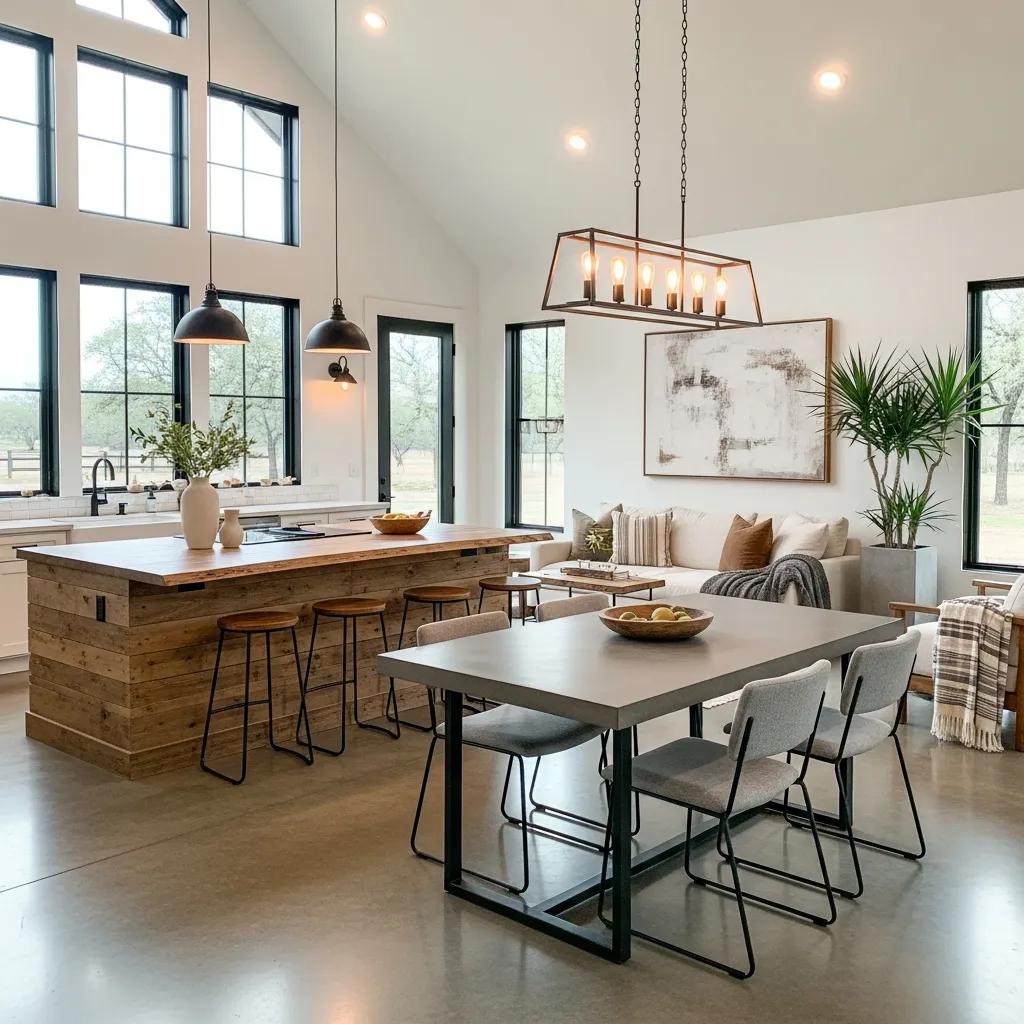
Industrial and minimalist styles complement each other in barndominiums: industrial materials provide structure and texture, while minimalism trims visual clutter so the space reads intentional. To avoid a cold feel, introduce warmth with a reclaimed wood island, textured textiles, and layered lighting. Choose a handful of high-impact materials and let them anchor the room rather than covering every surface in raw finishes — that restraint makes the space feel curated, not unfinished.
What features signal a luxury barndominium interior?
Luxury in a barndominium is about flow, finishes, and detail. Think integrated, high-performance kitchen appliances, large single-piece islands, and sightlines that support entertaining. Spa-like bathrooms with freestanding tubs, walk-in showers, and heated floors elevate daily life. Custom millwork, concealed lighting, and well-chosen materials give rooms depth and refinement. When upgrading, prioritize durable, timeless investments that improve daily use over short-lived trends.
How can rustic decor make barndominiums feel inviting?
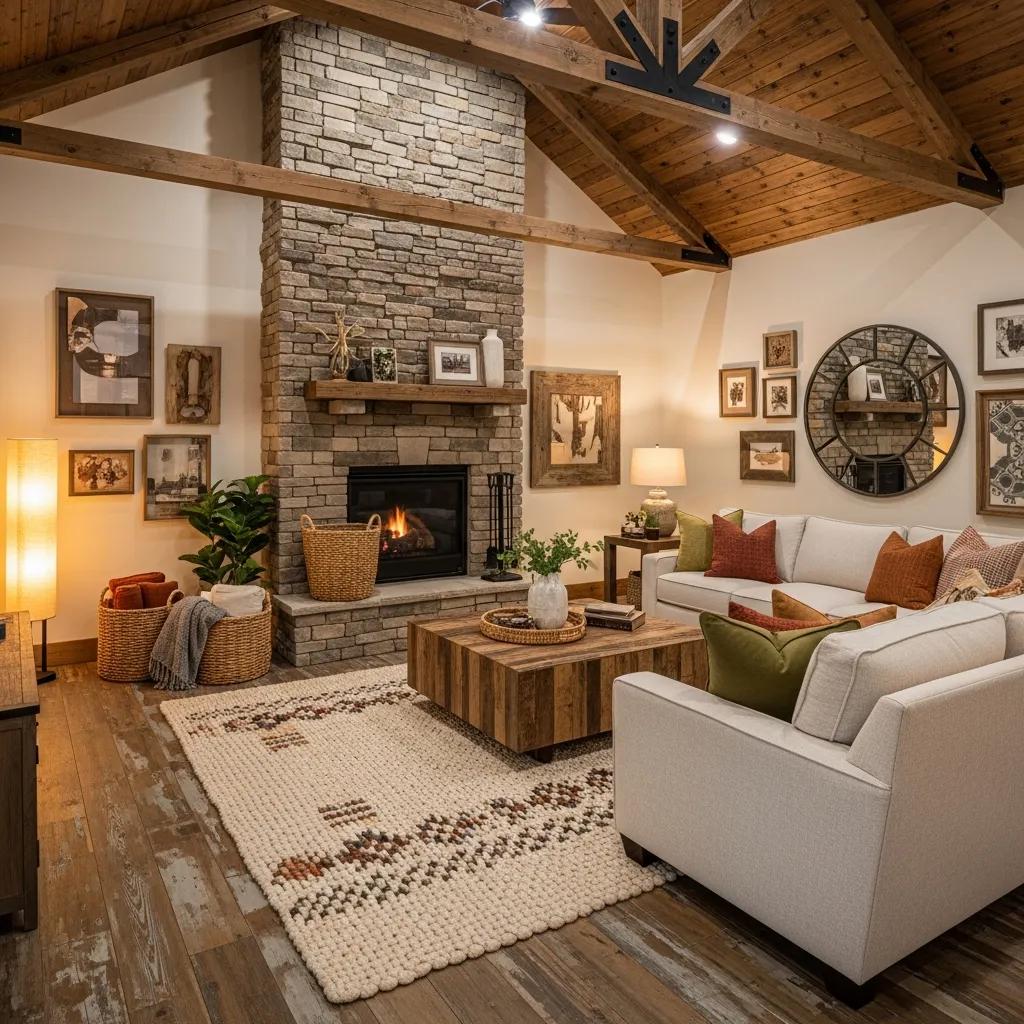
Rustic decor brings texture and comfort into the large volumes of a barn-style shell. Exposed timbers, stone hearths, and woven textiles add tactile richness that balances steel and concrete. Layered lighting, mixed seating, and rugs create human-scale nooks within open plans. Select durable finishes suited to your climate and rely on rugs, throws, and upholstered seating to keep rooms warm and lived-in. Below are the core rustic elements to consider.
Essential rustic elements:
- Exposed beams and reclaimed finishes to celebrate structure and history.
- Textured textiles and warm color palettes for depth and comfort.
- Large hearths or stone focal points to anchor gathering areas.
- Durable, moisture-aware finishes appropriate for regional climates.
These elements pair well with discreet modern systems so you get comfort and convenience without losing character.
Which rustic details matter most?
Key rustic details include exposed timber beams, reclaimed wood floors or cladding, a substantial stone fireplace, and natural textiles like wool and linen to soften harder surfaces. Local reclaimed wood adds authenticity and can reduce cost and environmental impact; just be sure to seal it properly in humid regions. Built-in benches, open shelving, and layered rugs reinforce a welcoming, tactile aesthetic while keeping the interiors practical.
How do you combine rustic charm with modern convenience?
Blending rustic character with modern tech means hiding systems and choosing complementary finishes. Conceal wiring and smart devices in cabinetry or soffits, use warm-metal or matte hardware, and fit appliances behind paneling to preserve a cohesive look. Quiet, efficient HVAC and moisture-control systems protect wood finishes without drawing attention. Thoughtful room layout — placing utilities in service zones or closets — keeps living spaces calm while delivering full modern functionality.
Room-by-room: practical design ideas for barndominiums
Translating principles into rooms helps you make concrete choices. Kitchens perform best with large islands that anchor open plans; living rooms need a defined focal point and seating groupings; bedrooms should prioritize thermal comfort and storage; bathrooms require durable materials with a spa mindset; and lofts work well as flexible, multi-use spaces. The table below summarizes priorities for common rooms.
Quick room-level reference for priorities and materials:
| Room | Key Feature | Recommended Materials | Space-Saving Tip |
|---|---|---|---|
| Kitchen | Large island with seating | Stone counters, durable cabinetry | Use pantry cabinets and pull-outs |
| Living room | Focal fireplace or media wall | Reclaimed wood, stone hearth | Built-in benches with storage |
| Bedroom | Thermal comfort & storage | Insulated walls, LVP flooring | Wall-mounted shelving and wardrobes |
| Bathroom | Spa layout & durable finishes | Porcelain tile, sealed wood accents | Niche storage and pocket doors |
| Loft | Flexible function | Lightweight flooring, railings | Built-in desks and daybeds |
These recommendations make it easier to discuss options with a builder or designer. Below we highlight a common design-build workflow used by local teams.
At Ross Homes & Drafting, LLC we often start with 3D plans so clients can see how a large island and open sightlines function in daily life. Visualizing changes early reduces surprises, speeds decisions on materials, and minimizes costly on-site revisions. If you’re exploring options, request a consultation or quote to see how these room-level strategies might apply to your project.
Which kitchen layouts balance function and style?
The kitchen should anchor the plan: a multi-use island provides prep space, seating, and a visual divider. Choose low-maintenance counters like sealed stone or high-quality LVP nearby for traffic zones, and mix open shelving with closed cabinets to display essentials without clutter. Keep the work triangle in mind for efficient cooking, and layer lighting — task, ambient, and accent — for both function and mood. A well-planned pantry with pull-outs delivers big storage gains in a small footprint. The mini-table below compares common kitchen surfaces.
Kitchen surface comparisons for durability and style:
| Surface Type | Durability | Maintenance | Style Notes |
|---|---|---|---|
| Granite / Quartz | High | Low | Timeless, upscale |
| Polished concrete | Very high | Moderate | Industrial, seamless |
| LVP flooring | High | Very low | Wood-like look, water-resistant |
These options help you balance everyday use with the look you want. Next we cover living and sleeping spaces.
How do you make living rooms and bedrooms feel cozy?
Cozy living rooms and restful bedrooms rely on layered light, considered furniture placement, and acoustic treatments to scale large spaces. Use rugs to anchor seating groups and arrange sofas and chairs around a central focal point — a fireplace or media wall — while preserving clear circulation paths. Bedrooms benefit from insulation, window treatments, and appropriate bedding, plus built-in closets to keep surfaces clear. Soft finishes, drapery, and fabric-upholstered pieces absorb sound and reduce echo, turning expansive rooms into calm, livable retreats.
2025 trends to watch for barndominium interiors
Heading into 2025, expect emphasis on sustainability, discreet smart integration, indoor-outdoor living, and flexible, multi-use spaces. Reclaimed materials and low-VOC finishes remain popular for health and durability; smart thermostats, lighting, and security add convenience without dominating the design; and large folding doors and covered patios extend usable living space. Built-in storage and adaptable furnishings let homes shift roles as needs change — an increasingly valued trait. The list below summarizes these trends and what they mean in practice.
- Sustainable materials: Reclaimed elements and low-VOC products support healthier, longer-lasting interiors.
- Smart-home integration: Automated controls and zoning save energy and improve comfort with minimal visual impact.
- Indoor-outdoor living: Folding glass walls and covered terraces expand living areas and connect the home to landscape.
- Flexible, multi-use spaces: Adaptable rooms and built-ins support remote work, hobbies, and family changes.
Below we show how sustainable choices and smart tech can be planned together, and why outdoor features deliver strong lifestyle value.
How do sustainable materials and smart tech work together?
Combine reclaimed wood, low-VOC paints, and efficient systems for healthier, more efficient homes. Plan smart thermostats, zoned HVAC, and LED lighting into the 3D design so wiring and hubs stay out of sight and finishes remain cohesive. Early coordination reduces retrofit costs and helps you measure energy savings and indoor air-quality benefits. Mockups or 3D visualizations are useful to confirm how devices and finishes age together before construction begins.
| Trend | Why It Matters | Example | Implementation Cost |
|---|---|---|---|
| Sustainable materials | Healthier indoor air, longevity | Reclaimed wood, low-VOC paints | Variable ($-$$$) |
| Smart-home tech | Energy and comfort optimization | Smart thermostat, automated shades | Moderate ($$) |
| Indoor-outdoor flow | Adds living space, lifestyle value | Folding glass walls, covered patios | Moderate to high ($$-$$$) |
Use this table to prioritize upgrades that match your budget and everyday needs.
Which outdoor features add the most value?
Outdoor living spaces — covered patios, outdoor kitchens, and smooth indoor-outdoor transitions — meaningfully expand usable space and suit warm, humid climates. Choose sealed stone, composite decking, and corrosion-resistant metals for longevity near lakes or in East Texas and Louisiana. Provide shade and operable openings to control airflow and protect interiors. An outdoor kitchen or fireplace often delivers a high lifestyle return when sited to align with primary sightlines from the main living area.
How Ross Homes & Drafting customizes barndominium interiors locally
Ross Homes & Drafting, LLC works as a design-build partner to turn barndominium concepts into detailed plans and finished homes that suit East Texas and Louisiana conditions. We lead with design — using 3D plans and blueprints to test flow, finishes, and systems before construction — and combine that with third-generation framing know‑how. Our process focuses on clear communication, realistic budgets, and solid craftsmanship to deliver homes that match client priorities and regional performance needs.
Our client-centered process typically follows these steps:
- Initial consultation to align goals, budget, and site conditions.
- 3D plans and detailed blueprints to visualize layouts and finishes.
- Build phase managed by experienced framers and trades to execute the design.
- Final finishes and a client walkthrough to confirm satisfaction.
This sequence reduces surprises and keeps design intent aligned with construction. Contact us for a consultation or project quote to see how these steps apply to your build.
Why 3D plans and blueprints matter in interior design
3D plans and blueprints bridge concept and construction by showing how finishes, furniture, and systems interact in real space. Visualization lowers change orders because clients can test sightlines, color pairings, and appliance fit before breaking ground. The typical path — consult → 3D design → revisions → build — simplifies permitting, coordinates trades, and helps keep budgets on track. Early 3D planning also makes it easier to integrate smart systems and sustainable strategies without compromising the look you want.
Research shows advanced visualization tools like 3D modeling and VR significantly improve client understanding and decision-making during design.
Digital 3D & VR for Barndominium Interior Design Visualization
Recent studies show that pairing virtual reality with 3D design makes interior concepts easier to read and more persuasive for clients and stakeholders.
Digital 3D modeling for preconstruction real-time visualization of home interior design through virtual reality, 2024
How do local details reflect East Texas and Louisiana preferences?
Regional design choices reflect climate, lifestyle, and local materials. In East Texas and Louisiana that means porch-forward plans, moisture-conscious finishes, and lakehouse sightlines that emphasize views and outdoor access. We recommend sealants, finish assemblies, and porch or shaded outdoor rooms that stand up to humidity and sun. Local sourcing and familiarity with regional building practices help balance aesthetic goals with long-term performance near Toledo Bend, Sam Rayburn, and similar settings.
- Porch-forward layouts: Create shaded outdoor rooms and encourage year-round outdoor living.
- Moisture-conscious finishes: Protect wood and metals from humidity and corrosion.
- Lakehouse sightlines: Place openings and covered spaces to capture views and access.
These regional cues ensure interiors not only look right but perform well in their setting.
Frequently Asked Questions
What are the benefits of using reclaimed materials in barndominium design?
Reclaimed materials add character, texture, and a sense of history that suits barndominium shells. They’re often more sustainable than new materials, reduce waste, and can lower embodied carbon. Reclaimed wood and metal also age attractively and, when sealed and installed correctly, perform well in everyday use — contributing warmth that balances metal and concrete elements.
How can I ensure my barndominium is energy efficient?
Start with quality insulation, properly detailed windows, and attention to air sealing. Use double- or triple-glazed windows where appropriate, add zoned HVAC controls and a smart thermostat, and choose efficient appliances and LED lighting. Early planning for these systems in your 3D design reduces retrofit costs and improves long-term comfort and utility bills.
What are some common mistakes to avoid when designing a barndominium?
Avoid under-insulating the shell, ignoring natural light, and failing to plan adequate storage. Poor insulation leads to uncomfortable temperatures and higher energy costs; insufficient daylight makes large volumes feel closed; and lack of storage quickly creates clutter in open plans. Plan built-ins, thoughtful window placement, and proper insulation from the start.
How do I choose the right color palette for my barndominium?
Consider the mood and style you want: neutrals like white, gray, and warm beige give timeless backdrops for rustic materials, while accent colors can be introduced through furnishings and trim. Test paint samples at different times of day and next to your chosen materials to ensure colors read as expected in natural and artificial light.
What role does landscaping play in enhancing a barndominium's appeal?
Landscaping creates the first impression and extends living areas outdoors. Use native plants, simple pathways, and defined outdoor rooms to connect the house to its site. Thoughtful landscaping improves privacy, manages drainage, and highlights sightlines to water or landscape features — all of which increase enjoyment and perceived value.
How can I incorporate smart home technology into my barndominium?
Plan smart systems during design so control hubs and wiring stay hidden and finishes remain coherent. Start with a smart thermostat, automated lighting scenes, and security basics, then expand to automated shades or integrated audio as needed. A centralized hub makes management easier and keeps the technology discreet.