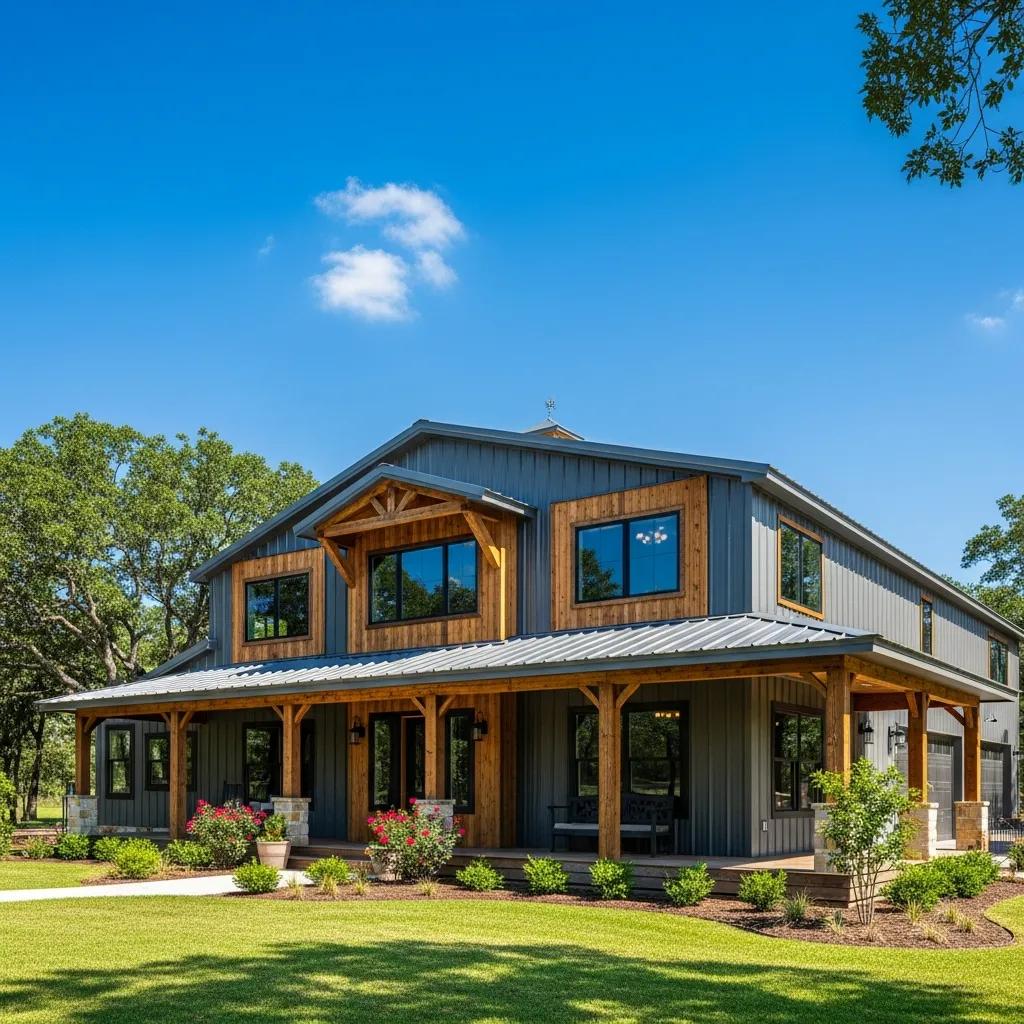
Popular Exterior Finishes for Barndominium Homes: Choosing Durable and Stylish Siding Options
Exterior finishes shape a barndominium’s durability, curb appeal, and long‑term maintenance. Picking the right siding is one of the most important decisions owners and builders make. This guide walks through the top siding choices for 2024, shows regional color tendencies for East Texas and Louisiana, and explains how architectural pairings, local climate, and costs affect performance. You’ll find clear comparisons of steel, wood, stucco, and fiber cement, palette ideas, straightforward maintenance checklists, and per‑square‑foot cost ranges to help you choose. If you want design or build help, Ross Homes & Drafting, LLC provides custom barndominium services and 3D plans to turn material choices into buildable designs and transparent estimates. The article moves from materials and style to climate response and cost so you can match performance priorities to the right exterior solution.
What Are the Most Popular Barndominium Siding Materials in 2024?
In 2024, the most requested siding materials balance longevity, low upkeep, and versatile looks. Steel, wood, stucco, and fiber cement top the list because each offers a different mix of durability and appearance. Coated steel is durable and low‑maintenance. Wood brings warmth and texture when routinely cared for. Stucco and fiber cement are flexible finishes that can mimic traditional or modern surfaces. Your choice should reflect priorities like lifespan, cost per square foot, resistance to humidity and storms, and the architectural look you want. Below is a compact comparison and short profiles to make selecting easier.
This table lays out core siding materials side‑by‑side so you can quickly compare durability, maintenance, appearance, and cost.
| Material | Durability / Resistance | Maintenance / Typical Lifecycle | Aesthetic / Cost Range |
|---|---|---|---|
| Steel (coated) | High corrosion resistance when properly coated | Low maintenance; touch up or recoating every 15–20 years | From modern industrial to board‑and‑batten looks; moderate cost |
| Wood (cedar or pine) | Variable; can rot without proper protection | Regular staining or painting every 3–7 years; higher upkeep | Warm, natural appearance; variable to higher cost |
| Stucco | Durable in dry, hot climates; needs correct substrate | Watch for cracks; reseal as needed; long life if maintained | Smooth or textured finish; moderate cost |
| Fiber cement | High durability; resists rot and termites | Repaint roughly every 10–15 years; low to moderate upkeep | Can convincingly mimic wood lap; moderate cost |
That comparison highlights trade‑offs so you can quickly see which siding matches priorities like low maintenance or a particular aesthetic. Knowing the parts of an assembly—siding panels, trim and flashing, fasteners, and weather membranes—helps you plan details that perform in your climate and deliver the look you want.
How Does Steel Siding Offer Durability and Modern Appeal?
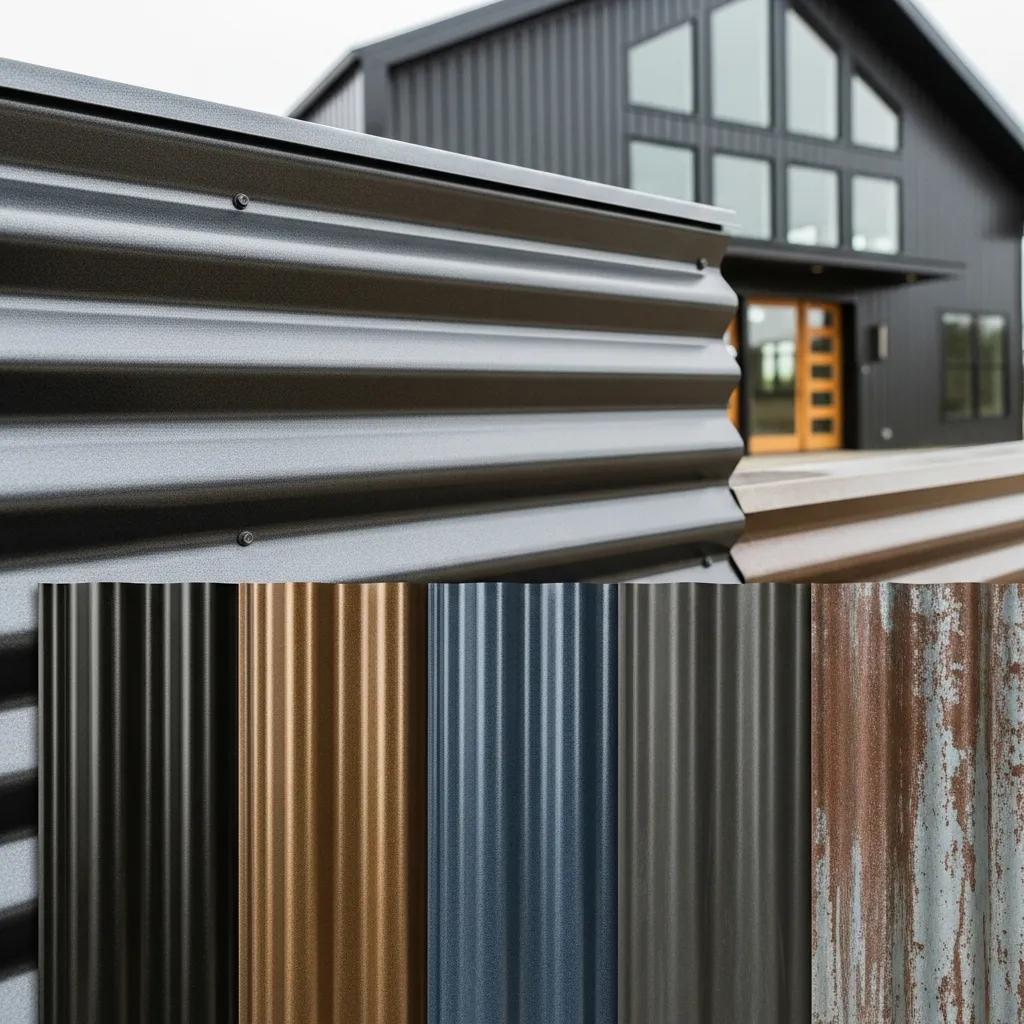
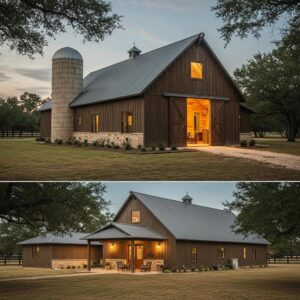
Steel siding stands out for impact resistance, pest resistance, and longevity—especially when paired with modern protective coatings. Board‑and‑batten steel or metal siding with wood grain finishes lets owners achieve farmhouse or rustic looks without the maintenance of real timber. Zinc and polymer coatings slow oxidation and expand color options, including matte finishes that suit contemporary barndominiums. For owners prioritizing lifecycle value and minimal upkeep, coated steel is a strong candidate. It also pairs nicely with stone accents and generous overhangs to limit water exposure.
What Are the Benefits and Maintenance Needs of Wood Siding?
Wood siding—lap or board‑and‑batten—adds natural warmth and texture that’s hard to replicate with metal. It’s a popular choice for rustic, lakehouse, or farmhouse styles because the grain and finish give a human scale to the façade. Wood needs a proactive maintenance routine: priming, staining or painting, and regular checks for moisture paths to prevent rot and insect damage. When detailed correctly with flashing, suitable fasteners, and a continuous drainage plane, wood can last for decades and be refinished to change color or restore appearance. Many owners accept the higher upkeep because of the authentic look and strong resale appeal.
Which Exterior Colors Are Trending for Barndominiums in East Texas and Louisiana?
For East Texas and Louisiana in 2024, color trends favor palettes that manage heat while staying timeless. Neutral bases—soft whites and light grays—help reflect sun and pair well with natural wood and stone. Darker bodies like charcoal or navy give a bold, modern silhouette that reads well against wooded lots. In these regions choose UV‑resistant pigments and matte coatings to limit glare and preserve color. Below are palette ideas and pairing tips you can use on your barndominium.
What Neutral and Bold Color Palettes Enhance Barndominium Curb Appeal?
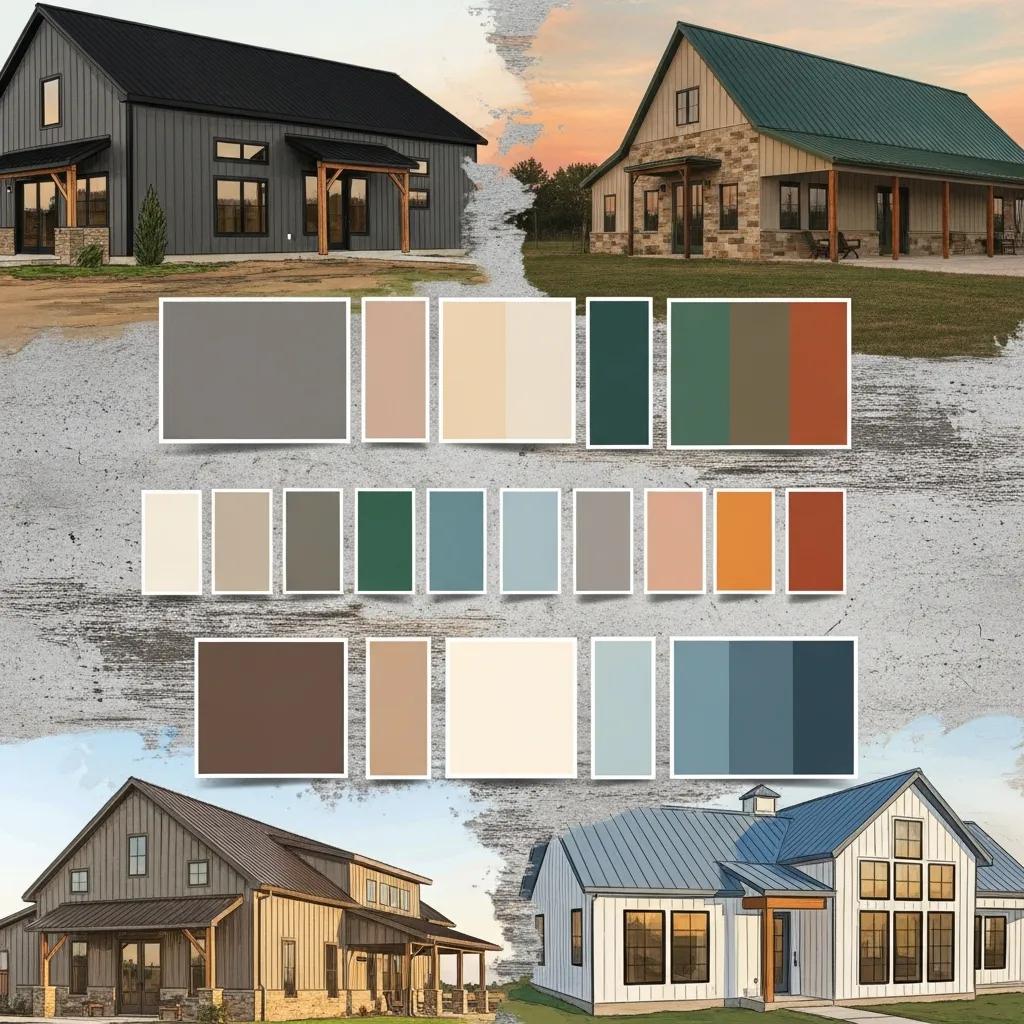
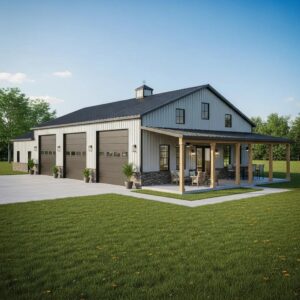
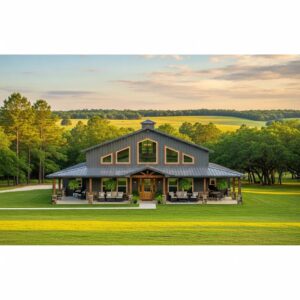
Combining a reflective neutral body with darker trims or accent walls controls scale and heat absorption while creating visual interest. A soft white siding with matte black trim and warm wood accents reads crisp under strong sun. A charcoal body with warm wood fascia gives a contemporary lodge feel and hides dirt. Accent colors—navy or forest green—work well on gables or doors without overwhelming the primary material. Matte metal finishes reduce glare and keep contrast subtle. These strategies let you aim for modern industrial, farmhouse, or rustic styles while addressing heat management.
- Mix neutrals and bolder accents to balance light reflection and visual weight.
- Use accent colors sparingly—doors, trims, or vertical elements—to focus the eye without adding maintenance burden.
- Prefer matte finishes on metal to cut glare and keep a contemporary look.
These simple rules help you choose palettes that suit both steel and wood finishes in our regional climate.
How Do Wood Tones and Matte Finishes Influence Modern Barndominium Styles?
Wood tones and matte hardware create layered exteriors where each material plays a clear role: wood brings warmth and texture, while matte metal defines edges and contrast. Cedar or walnut tones soften dark siding and can appear as full cladding or as trim accents to tie a house into a wooded site. Matte black gutters and hardware reduce visual clutter and cut reflective glare in bright southern sun. Remember that darker colors absorb more heat—pair dark accents with reflective primary finishes to help manage thermal effects on the building envelope.
How Do Architectural Styles and Design Elements Impact Barndominium Exteriors?
Architectural style influences which siding reads best. Board‑and‑batten emphasizes vertical lines and works with tall gables; lap siding reads horizontal and feels traditional; log‑style siding delivers rustic character. Design elements—porches, stone wainscoting, and roof pitch—are part of the exterior system and affect both weather performance and visual balance. Match siding properties to architectural goals: metal panels and minimal trim suit modern industrial work, while textured wood and stone bases complement farmhouse or rustic designs. Below are common styles and tips for pairing them with other exterior features.
What Are the Features of Board and Batten, Log, and Lap Siding Styles?
Board‑and‑batten highlights vertical seams and stretches façades upward—good for farmhouse or modern profiles. Log‑style siding or full log walls create strong rustic character and can add thermal mass when detailed correctly—ideal for lakeside or woodland settings. Lap siding produces familiar horizontal lines, is cost‑effective, easy to repair, and takes paint or stain well when you want to refresh the look. Each style works with trim, corner details, and soffit choices, so coordinate siding with porch and roofline decisions for a cohesive exterior.
- Board and batten emphasizes verticality and pairs well with tall gables.
- Log‑style exteriors give rustic insulation benefits but need careful moisture detailing.
- Lap siding provides traditional lines with straightforward maintenance and repair.
These points help you pick a style that fits both aesthetic goals and maintenance tolerance.
How Do Porches, Stone Accents, and Rooflines Complement Exterior Finishes?
Porches offer shade and a buffer that reduces direct sun and rain on siding, slowing weathering and extending finish life. Stone wainscoting protects the lower wall from splash and debris while adding textural contrast to board‑and‑batten or metal cladding. Roof pitch and overhang depth manage drip lines and sunlight—steeper pitches suit rustic or historic looks, while shallow, extended eaves support low‑slung modern profiles and shield walls. Coordinate these features with your siding choice to optimize both performance and appearance.
What Are the Climate Considerations for Barndominium Exterior Finishes in East Texas?
East Texas and Louisiana bring heat, humidity, and occasional severe storms. These factors speed corrosion, biological growth, and water intrusion when detailing is inadequate. In humid areas, choose claddings that resist rot—coated steel or fiber cement are good choices—and use UV‑stable pigments to limit color fade. For storm resistance, favor reinforced fastenings, concealed clips where appropriate, and impact‑rated materials in hail‑prone zones. Below is a quick mapping of climate drivers to mitigation strategies to guide material selection and detailing.
The table below links climate factors to material effects and recommended mitigations for regional performance.
| Climate Factor | Impact on Material | Recommendation / Mitigation |
|---|---|---|
| Heat & Sun | UV fade, thermal expansion | Use UV‑resistant pigments, reflective primers, and conservative color choices |
| Humidity & Moisture | Rot, mold, corrosion | Pick non‑porous cladding or treated wood; ensure a continuous drainage plane |
| Storms & Wind | Fastener failure, impact damage | Use reinforced fastening, impact‑rated panels, and continuous flashing systems |
This mapping shows how environmental drivers affect siding and which detailing practices reduce long‑term risk. Matching materials to regional strategies helps your barndominium withstand common local stressors.
How Does Heat, Humidity, and Storm Resistance Affect Material Choice?
UV exposure degrades paint and sealants over time, so choosing coatings with UV inhibitors and reflective options extends color life and eases stress on fasteners. Humidity encourages biological growth and rot—fiber cement and coated steel resist those risks, especially when walls have proper weather barriers and raised trim. Storm resistance relies on mechanical connections—concealed clips for metal panels or reinforced sheathing attachments—and selecting impact‑rated products where hail is common. The right combination of material, coating, and fastening method turns climate awareness into a durable exterior.
What Maintenance Practices Extend Exterior Longevity in Regional Climates?
Regular maintenance catches small issues before they become big repairs. Inspect flashing, sealants, and fasteners after major weather and at least twice a year. Keep gutters and downspouts clear so water flows away from walls and foundations. Schedule repainting or resealing based on material guidance to avoid water intrusion and UV damage. Use gentle cleaning to remove biological growth from wood and fiber cement, and touch up exposed metal edges to maintain corrosion protection. Track work in a maintenance log to preserve warranties and spot trends. These practical steps protect both performance and appearance over time.
- Inspect twice a year and after major storms to check flashing and sealants.
- Clean gutters and keep drainage directed away from the foundation.
- Refinish wood every 3–7 years; repaint fiber cement or metal as recommended.
This checklist ties routine care to long‑term value for your exterior.
What Are the Cost Implications of Different Barndominium Exterior Finishes?
Compare upfront cost, expected lifespan, and maintenance cadence to estimate lifecycle cost. Materials with higher initial prices can save money over years through reduced upkeep and longer service life. Steel and fiber cement commonly fall into a moderate initial cost band with lower maintenance needs; wood may be less expensive initially but costs more over time for staining and repairs; stucco sits between those options when installed correctly. The table below gives per‑square‑foot ranges and expected lifespans to help you weigh initial investment against long‑term savings. Ross Homes & Drafting can turn these ranges into detailed 3D plans and precise quotes for your project.
This cost table shows initial price ranges, expected lifespans, and maintenance rhythms to help with budgeting for exterior finishes.
| Finish / Material | Initial Cost (USD / sq ft) | Expected Lifespan (years) | Maintenance Frequency |
|---|---|---|---|
| Coated Steel | $5–$12 | 30+ | Low; inspect coatings every 10–20 years |
| Wood Siding | $3–$10 | 20–40 (with maintenance) | High; stain/paint every 3–7 years |
| Fiber Cement | $4–$10 | 30–50 | Moderate; repaint every 10–15 years |
| Stucco | $4–$9 | 30+ | Low‑moderate; inspect for cracks periodically |
Seeing these numbers side‑by‑side makes it easier to model 10–20 year lifecycle costs and decide whether a higher initial outlay for low‑maintenance materials fits your goals. When you’re ready to get firm numbers, Ross Homes & Drafting, LLC provides bespoke estimates, 3D plans, and transparent cost breakdowns to compare real‑world bids.
How Do Initial Investment and Long-Term Savings Compare Among Materials?
Upfront cost is only one factor. Durability, maintenance intervals, and replacement risk change the effective annual cost of siding. A higher‑cost coated steel installation that avoids repainting for decades can end up costing less over time than a cheaper wood assembly that needs frequent refinishing. Run lifecycle scenarios over 10–20 years to see trade‑offs. In humid, storm‑prone areas, low‑maintenance materials often deliver better total value. Choose based on your willingness to invest up front versus your appetite for ongoing maintenance.
What Is the Cost Range per Square Foot for Popular Siding Options?
Per‑square‑foot pricing shifts with finish, regional labor rates, and the complexity of details like trim, soffits, and stone bases. The typical ranges above ($3–$12 per sq ft) provide a planning envelope, but premium coatings, custom textures, and intricate architectural features will raise the total. Labor and material markets in East Texas and Louisiana also affect quotes, so collect multiple detailed bids that list materials, labor, and warranties for accurate budgeting. Investing in a detailed 3D plan and a transparent estimate helps you compare true apples‑to‑apples costs.
For homeowners wanting precise, buildable estimates, Ross Homes & Drafting, LLC prepares 3D plans and clear cost breakdowns to show how materials and detailing affect price—contact their team for a tailored quote and scope for your barndominium exterior.
Why Choose Ross Homes & Drafting for Your Custom Barndominium Exterior?
Ross Homes & Drafting, LLC is an East Texas and Louisiana custom home builder focused on barndominiums, traditional custom homes, metal buildings, and renovations. We guide clients from concept to build with 3D plans and practical blueprints, and we emphasize quality, honesty, and lasting value backed by hands‑on framing and construction experience. Local knowledge of climate, suppliers, and permitting lets our team recommend materials and assemblies that perform here. If you want a partner who turns finish decisions, color choices, and detailing into executable plans with clear cost estimates, Ross Homes & Drafting can help.
How Does Local Expertise Enhance Exterior Finish Selection?
Local experience matters. Climate, building codes, and trade availability shape which materials are practical and how details should be done for long‑term performance. Our regional focus lets us match siding choices to site conditions and common local challenges—humidity‑driven growth, hail exposure, and insurance rules. Strong supplier and trade relationships help us secure impact‑rated materials or specialty finishes when projects need them. That coordination turns design decisions into implementable solutions that reduce surprises during construction and afterward.
What Unique Value Does Ross Homes Provide in Craftsmanship and Transparency?
Ross Homes & Drafting combines craft‑first building with modern drafting and visualization to deliver constructible 3D plans and clear scopes clients can compare across bids. We prioritize transparent communication and cost estimates so you see how finish choices affect price and lifecycle expectations. That clarity reduces uncertainty and aligns expectations during the build. Our customization options—wood‑look metal, stone wainscots, or mixed materials—let homeowners refine aesthetics while keeping strong performance in local climates. Reach out to Ross Homes & Drafting, LLC and speak with our team or Travis Ross to turn your exterior goals into a detailed, priced build plan.
Frequently Asked Questions
What are the best practices for maintaining barndominium siding?
Keep a schedule of inspections and simple maintenance tasks. Check for cracks, loose trim, or peeling paint at least twice a year and after storms. Keep gutters and downspouts clear to prevent water damage. Refinish wood every 3–7 years and follow manufacturer guidance for steel and fiber cement recoats. Use gentle cleaning for biological growth and document work in a maintenance log to protect warranties and track recurring issues.
How do I choose the right siding material for my climate?
Match material performance to local conditions. In humid climates, favor fiber cement or coated steel for their resistance to rot and corrosion. In storm‑prone areas, choose impact‑rated products and robust fastening systems. Look for UV‑stable coatings where sun exposure is high. Talking with local builders or Ross Homes & Drafting helps you get recommendations tuned to site‑specific risks and goals.
What are the environmental impacts of different siding materials?
Environmental impact varies by material and lifecycle. Steel is often recyclable and may contain recycled content. Wood is renewable but should be responsibly sourced. Fiber cement is durable but energy‑intensive to produce. Stucco is made from natural materials and can have a lower footprint but may need repairs over time. Consider sourcing, longevity, and end‑of‑life options when weighing sustainability.
Can I mix different siding materials on my barndominium?
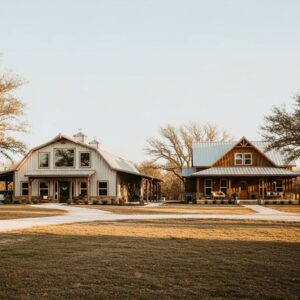
Yes—mixing materials can improve both function and curb appeal. Wood accents with steel body panels or stone bases with board‑and‑batten create layered, intentional looks. Make sure materials are compatible in terms of maintenance, moisture detailing, and thermal movement. A design professional or builder can help you coordinate colors, textures, and construction details so the combination performs well.
What are the cost differences between popular siding materials?
Costs vary by material and detailing. Typical ranges: steel $5–$12/sq ft, wood $3–$10/sq ft, fiber cement $4–$10/sq ft, and stucco $4–$9/sq ft. Remember to factor maintenance and expected lifespan into your budget—cheaper up front doesn’t always mean cheaper over the long run. Get detailed bids that list materials, labor, and warranties to compare options accurately.
How do I ensure my barndominium is energy efficient?
Start with good insulation and airtight construction to reduce heat transfer. Choose siding and coatings that help reflect solar heat where needed. Use high‑performance windows and doors and consider overhangs or shading to limit summer gains. Combine material choices with proper insulation, ventilation, and efficient systems for the best results. Consult with energy‑efficiency experts or your builder for site‑specific solutions.